Nigar Sultana Steps Down as T20I Captain to Focus on Batting
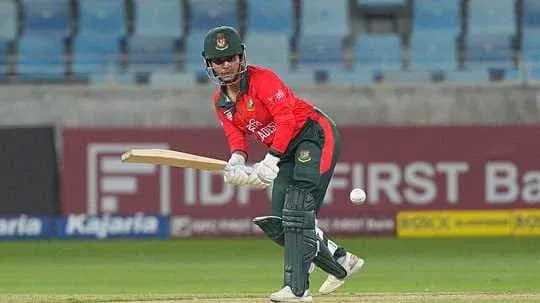
Nigar Sultana did not wait for the dust to settle. In the immediate aftermath of a bruising defeat to India at the Asian Games, the Bangladesh captain confirmed what she had already told the board: her time as T20I skipper is over.
The reason, she insisted, is simple. She wants her batting back.
“No, it's totally false that I left because I was hurt,” Nigar told reporters after Bangladesh’s 114-run hammering in the semi-final at Korogi Sports Park in Nisshin. “As a batter, as a player, I have a lot more to give to my country and my team. So I want to focus on that, and that's why I made this decision.”
Reports had suggested a different story, hinting at frustration with a lack of support from the board during difficult periods. Nigar pushed that narrative away. This, she said, is a cricket decision, not a political one.
India expose gulf in class
On the field, the gap between the sides was stark.
Asked to bowl first, Bangladesh were dragged around the ground as India surged to 195 for 4. Shafali Verma tore into the attack, launching her maiden T20I hundred – an unbeaten 100 from just 49 balls – and turning the semi-final into a mismatch before the innings break.
Bangladesh never looked like living with that total. Their chase disintegrated almost from the first over. Wickets fell, the scoreboard stalled, and the innings ended on 81 all out in 15.4 overs, a collapse that underlined how fragile their batting remains when the asking rate climbs.
Nigar did not sugarcoat it.
“When you're chasing a big total, this kind of collapse is natural,” she said, before quickly turning the spotlight back on her own side. “With slightly better bowling, we could have restricted them to fewer runs.
“When a team collapses for so few runs, we as batters definitely took no responsibility. If even one top-order batter had stayed till the end, we could have added more runs.”
On the same surface earlier in the day, Sri Lanka had managed 107 against Pakistan. That total suddenly looked substantial when compared to Bangladesh’s 81.
Preparation problems and missed chances
The defeat was not just about one bad chase, in Nigar’s eyes. She pointed to a build-up that never really got going in Japan.
Bangladesh had only two days of practice as rain repeatedly disrupted their schedule. Their group game against China was washed out. A planned warm-up against the same opposition never materialised. For a batting unit already searching for confidence, the lack of time in the middle cut deep.
“We have virtually no training facilities here,” Nigar said. “Had we played that first match against China, it would have been much better for the whole team. But we missed that opportunity too. Overall, I'll say the entire team played very poor cricket.”
It was a blunt assessment from a captain on her way out of the role, and it framed the semi-final not as an isolated disaster, but as the inevitable result of patchy preparation and brittle batting.
One last game with the armband
The story of Nigar’s captaincy will not end with India. Bangladesh still have a medal to chase, and one more T20I for her to lead.
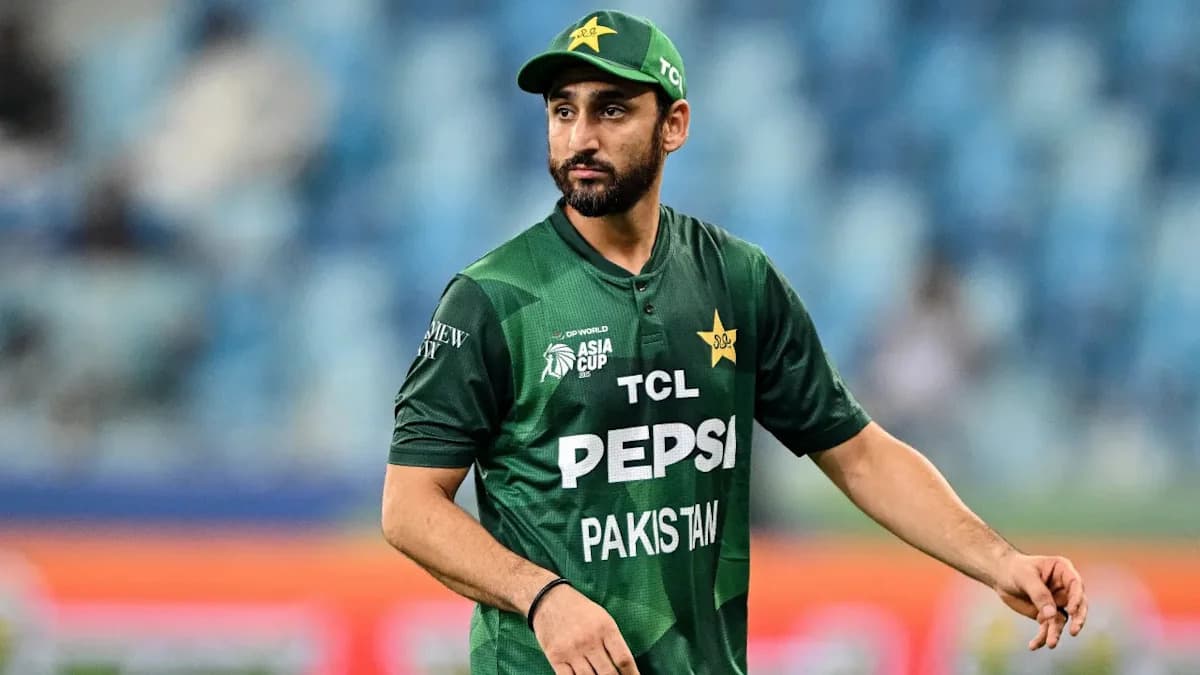
They now face Pakistan in the bronze medal match, a fixture that carries both history and hope.
“We have a good record against Pakistan. There is a sense of positivity there,” she said.
For Nigar, it will be a final outing as T20I captain, one more chance to squeeze something meaningful out of a difficult campaign before she steps back into the ranks and tries to rebuild the thing she values most: her batting.