Pakistan Claims Asian Games Bronze with Victory Over Bangladesh
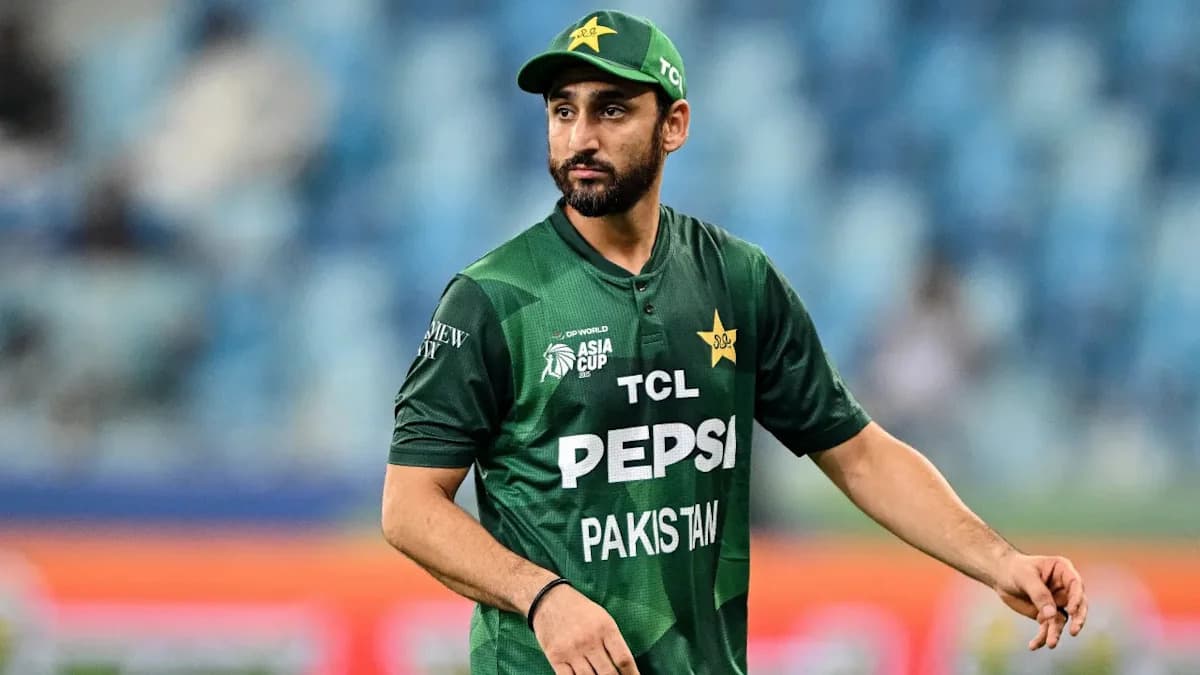
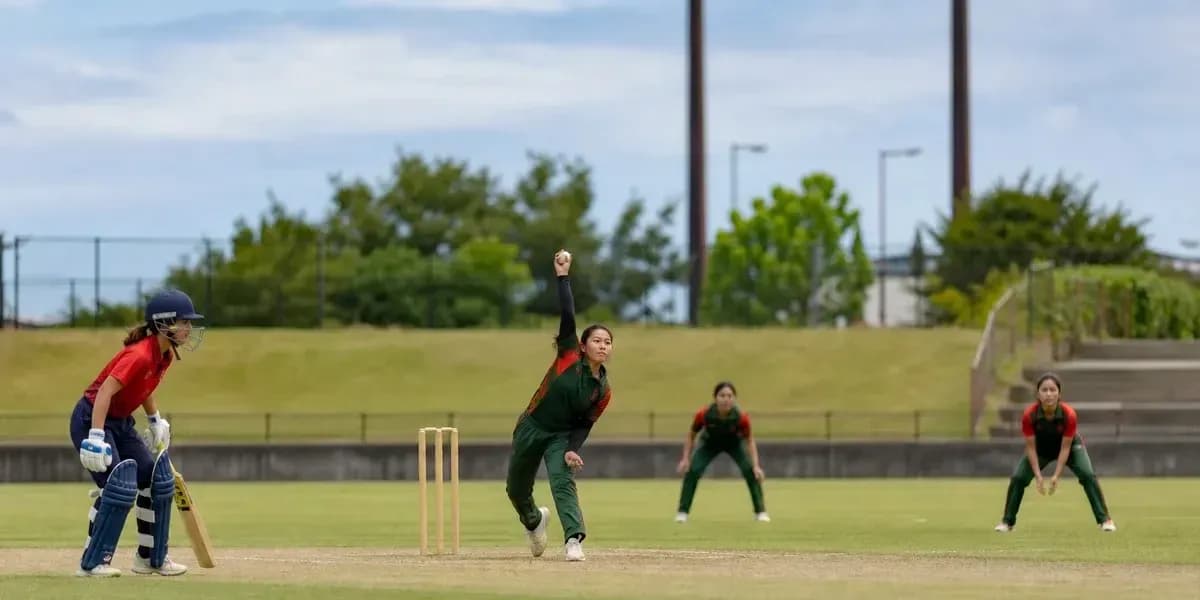
Pakistan’s women walked off the field in Nisshin with bronze medals and a scoreline that told the story of a controlled, ruthless performance: 145 for eight, Bangladesh held to 114 for seven. A 31‑run win, and a statement that this team still knows how to deliver on a big multi-sport stage.
It was not a flawless innings. It did not need to be.
Fatima Sana turns crisis into a platform
At 67 for five, Pakistan’s innings stood on a knife-edge. The top order had spluttered, the pressure was rising, and Bangladesh sensed a collapse that could end the contest before it truly began.
Fatima Sana had other ideas.
The captain walked in and changed the tempo of the match with the kind of innings that alters dressing rooms and careers. She hammered 45 off just 30 balls, lacing three fours and launching three sixes, refusing to let the game drift. Every time Bangladesh thought they had regained control, Sana found a gap or cleared the rope.
At the other end, Aliya Riaz provided exactly what the situation demanded: calm, busy, unfussy support. Her 25 from 22 balls did not dominate the scorecard, but it kept Pakistan’s innings moving and allowed Sana to attack. Together they stitched 67 runs off 43 balls for the sixth wicket, transforming 67 for five into a competitive 145 for eight.
By the time they walked off, Pakistan had a total that asked serious questions.
New-ball burst breaks Bangladesh
Those questions were answered almost immediately with the ball.
Umm-e-Hani and Tasmia Rubab tore into Bangladesh’s top order, ripping out three wickets for just 20 runs in the first five overs. The chase, already tricky, suddenly looked steep. The early strikes forced Bangladesh to retreat into survival mode when they could least afford it.
Umm-e-Hani was relentless. She finished with a career-best return in Twenty20 internationals: three for 10 from four overs, including a wicket maiden. Line, length, and just enough movement – it was the kind of spell that suffocates a chase before it can breathe.
The pressure told on the scoreboard. The required rate climbed. Singles replaced boundaries. The fielders closed in.
Resistance, but no rescue
Bangladesh did find resistance. Sharmin Akhter anchored the innings with an unbeaten 46 from 45 balls, holding one end with admirable composure. Captain Nigar Sultana added 25, and together they stitched a 47-run stand for the fourth wicket that briefly steadied the chase.
For a while, the contest hung there. One big over could have flipped it. One mistake could have killed it.
Pakistan refused to blink. The bowlers kept their lines tight, the field stayed sharp, and the boundary never came often enough for Bangladesh to truly threaten. When Fatima Sana removed Ritu Moni, she not only broke another partnership but also pushed her own tally to 31 wickets in Twenty20 internationals in 2026 – another marker in a year of personal growth.
Bangladesh closed on 114 for seven. Respectable. Nowhere near enough.
A return to the podium
For Pakistan, this bronze carries weight beyond the scoreboard. It is their third Asian Games medal in women’s cricket, adding to the golds from 2010 and 2014. This time, it comes with a measure of redemption.
At the 2022 Asian Games in Hangzhou, Pakistan lost the bronze-medal match to Bangladesh. The roles reversed in Nisshin. Same stakes, different ending.
The route to the podium had already tested them. They edged past Thailand by three wickets in the quarterfinals, then ran into a ruthless Sri Lanka side in the semifinals and lost by eight wickets. India later crushed Sri Lanka in the final, winning gold with a 147-run hammering built on 216 for three against a reply of just 69.
In that company, Pakistan’s bronze is hard-earned and fully deserved. A captain’s innings under pressure, a young bowler’s best figures on the international stage, and a team that refused to let another medal slip away.
The question now is simple: with this platform rebuilt, how high can this group climb next?