Pakistan Cricket's Major Overhaul Amidst England Tour Defeats
Pakistan cricket is not just losing a Test series in England. It is being torn up and rewritten.
Two brutal defeats – an innings and 103 runs at Headingley, then a 194-run beating at Lord’s – have left England 2-0 up and out of reach in the three-Test series. For Pakistan, the scoreboard is only part of the story. The real shock lies in how quickly the Pakistan Cricket Board (PCB) has moved to dismantle the existing structure before the tour is even over.
Senior players sent home, new regime installed
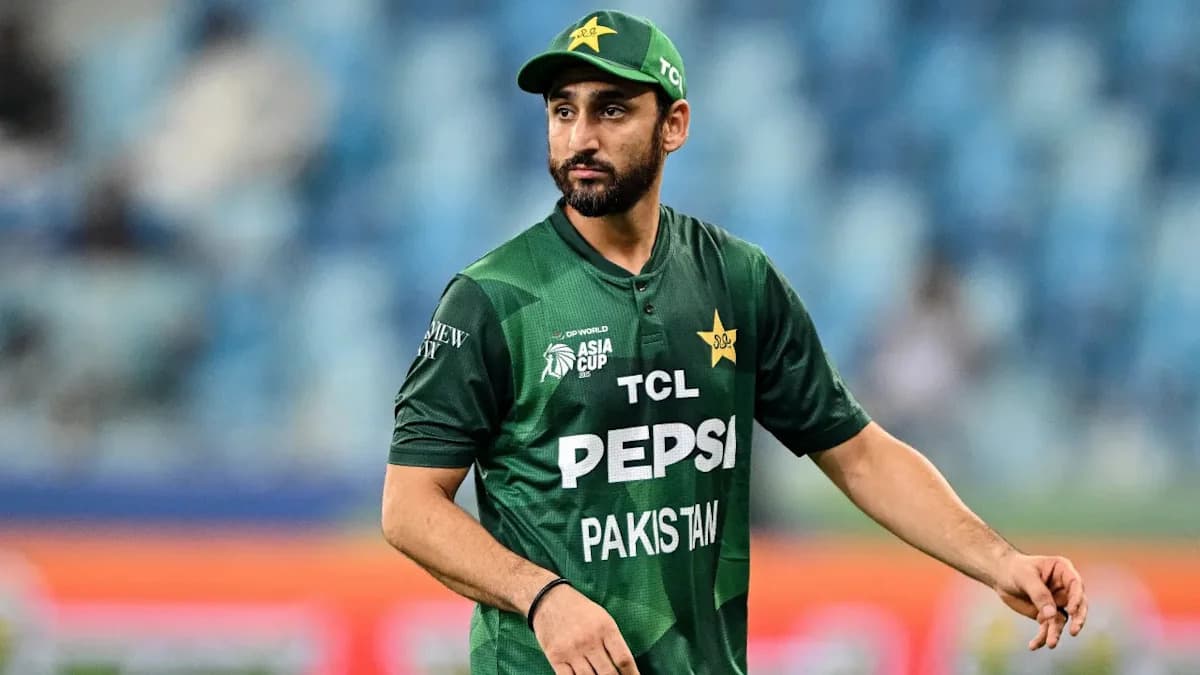
The clear-out has been ruthless. Seven players have been removed from the squad for the third Test at Edgbaston, including established names such as Mohammad Rizwan, Imam-ul-Haq and Salman Ali Agha. They are heading home while the series is still alive on paper, a stark signal that the PCB’s gaze has shifted beyond this tour.
On the staff side, Sarfaraz Ahmed and Umar Gul have exited the coaching setup. Mike Hesson has stepped in to take charge of the team, with former Australia seamer Ashley Noffke alongside him as assistant. This is not tinkering. It is a reset.
The message from the boardroom is unmistakable: the current group has lost its credit.
Shoaib Akhtar: ‘They don’t expect anything from this squad’
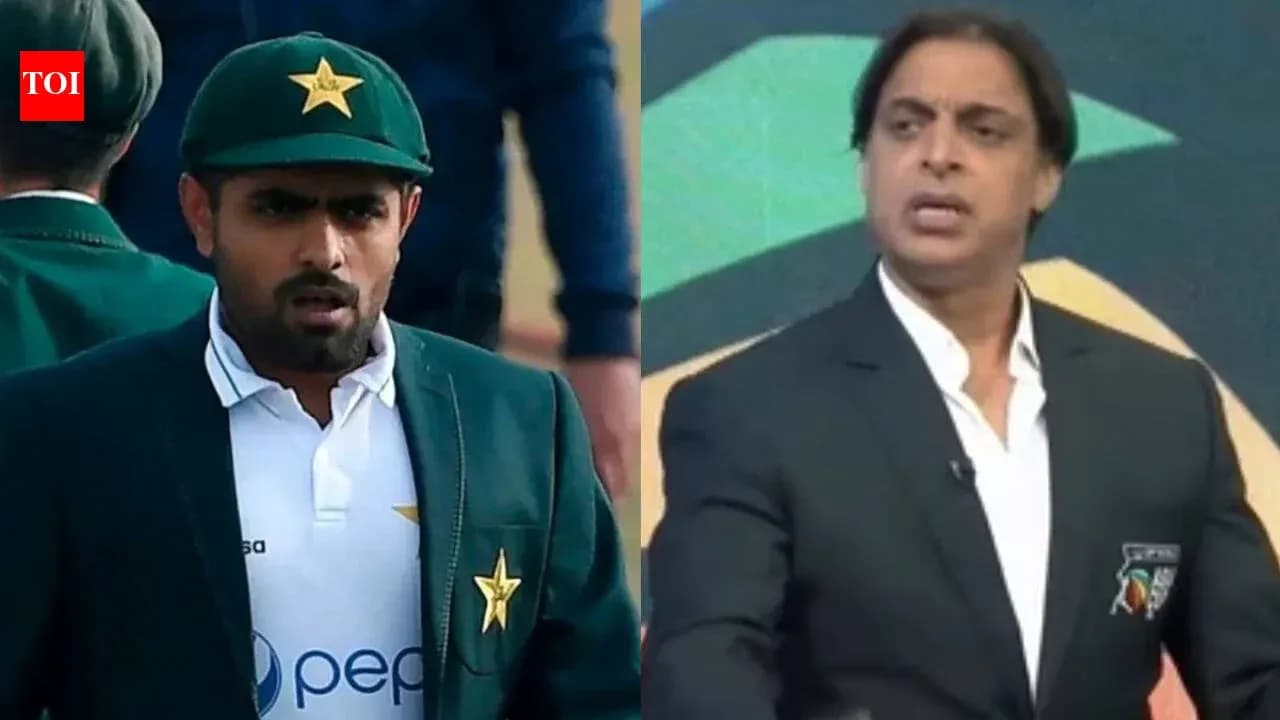
Shoaib Akhtar, never one to sugar-coat, has laid out the thinking as he sees it. Speaking on the OutSide EDGE show, the former fast bowler said the PCB has effectively given up on a large portion of the present side and is using this England tour as an accelerator for a deeper rebuild.
“The PCB itself was very disappointed by these people, and they don’t expect anything from this Pakistan squad. The plan is to remove this squad and replace them with younger and newer blood. Players who just want to play for Pakistan. They are looking at the future now, and they are working at it in the right way,” Akhtar said.
It is a brutal assessment, but it aligns with the decisions on selection: experienced cricketers moved aside, younger players pushed forward, the immediate results in England sacrificed for something more long term.
Akhtar did, however, draw a clear red line. In this churn, some careers must not be gambled with.
“In this transition, I just want Shaheen Shah Afridi, Naseem Shah and Haris Rauf’s careers to be saved. These guys have a lot of cricket left in them,” he said.
Those three names, all fast bowlers, represent both Pakistan’s present and its possible future. Lose them, and the rebuild becomes a rescue mission.
‘Nothing’ expected from England tour
Akhtar’s conversations with those inside the system paint an even darker picture. He revealed that when he asked a PCB official what the board expected from this tour of England, the answer was stark in its honesty.
“Nothing. We have expectations from the next generation of players that we are preparing for the big stage,” Akhtar quoted the official as saying.
That same official, he added, described Pakistan cricket as being “on a ventilator” and suggested it could take around two years to revive the national setup. Two years just to get the patient breathing normally again.
The description underlines the depth of the crisis. This is not being framed as a bad series or a temporary slump. Inside the PCB, it is being treated as a systemic failure demanding immediate surgery.
Work at the academy, questions on the field
Akhtar also spoke about what he saw away from the TV cameras. During the second Test, he visited the National Cricket Academy in Lahore and noticed extensive infrastructure work underway.
“After 26 years, there is work being done at the academy now,” he said.
Bricks and mortar are finally moving, but the timing – coinciding with chaos around the senior side – only reinforces the sense of overdue reform. For Akhtar, none of this upheaval should surprise anyone.
Asked whether the turmoil had shocked him, he brushed the idea aside. “What is the shock there? Didn’t you expect that?” he replied.
His sharpest criticism, though, was reserved for what Pakistan showed – or failed to show – on the field in England. Reflecting on the heavy defeats at Headingley and Lord’s, Akhtar reduced the problem to its most basic element.
“We didn’t have the fight in us,” he said.
In a country where cricket is often framed as a test of character as much as skill, that line will sting.
Edgbaston and beyond
Pakistan now move to Edgbaston trying to avoid a 3-0 whitewash. On the surface, it is a dead rubber for England and a matter of pride for the visitors. In reality, the third Test feels like a bridge between eras.
With senior players already sent home, a new coaching team in place and officials openly talking about a two-year revival, the result in Birmingham may matter less to the PCB than the performances of those who remain. Every session will double as an audition.
The question is no longer whether Pakistan can save this series. It is who, from this fractured moment, will still be standing when the rebuild is finally complete.