Pakistan Cricket Faces Reckoning After England Defeats
The axe has fallen hard on Pakistan cricket, and the reverberations are being felt far beyond the dressing room.
In the wake of bruising back-to-back defeats to England — an innings-and-103-run hammering in the first Test and a 194-run loss at Lord’s — the Pakistan Cricket Board has ripped up its plans mid-tour. Seven players have been released from the Test squad ahead of the third Test at Edgbaston on September 9, and the coaching staff has been reshuffled with startling speed.
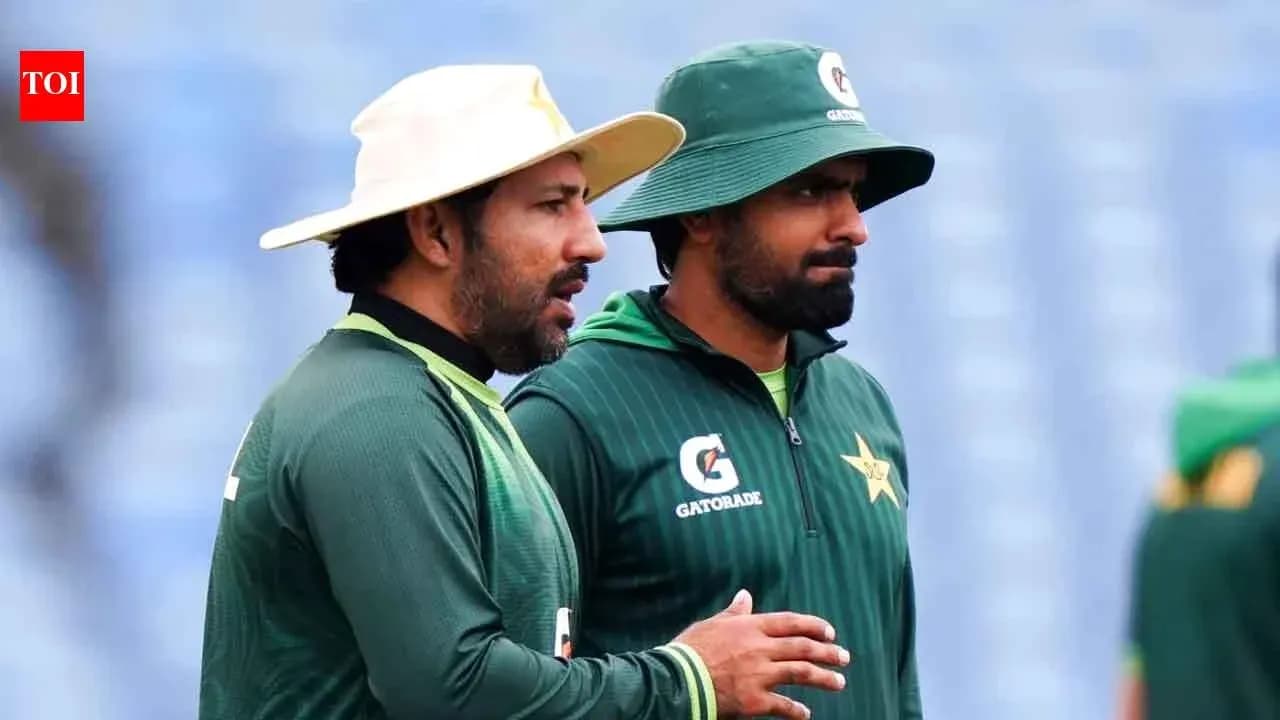
Mohammad Rizwan, Imam-ul-Haq, Salman Ali Agha, Ali Usman, Aamer Jamal, Awais Zafar and Khurram Shahzad have all been sent home. Sarfaraz Ahmed is out as head coach. Umar Gul is gone as bowling coach. In their place, white-ball head coach Mike Hesson and bowling coach Ashley Noffke have been drafted in to see out the rest of the England tour.
It is not just a reset. It feels like a reckoning.
Gohar Shah breaks ranks
Into this storm stepped Gohar Shah, the 31-year-old Multan Sultans CEO, who chose the most public of platforms — X — to deliver a blunt, unvarnished assessment of the state of Pakistan cricket.
“This may land me in hot water but I owe an honest assessment to Pakistan cricket. I was a fan before I was a stakeholder,” he wrote, before laying out what he has “observed from my playing days + actively being involved with the PSL, dressing room and PCB leadership.”
What followed was not the usual guarded corporate line. It was a dressing-down.
Shah went straight for the professionalism of the players, lifting the lid on habits that, in his view, have no place at the top level. Late nights. Junk food. A casual approach to conditioning.
“Late nights and junk food are common. Now I understand living on hotel food and being stuck for 6 weeks is tough, but the word ‘professional’ has to mean something,” he posted.
He then turned to effort — or the lack of it — in the longest format. The Test match, he suggested, is being treated as an inconvenience rather than the pinnacle.
“No one wants to do the tough yards. It’s a mentality thing,” he wrote, highlighting moments during the recent Test when, after a long spell, pace bowlers simply did not chase the ball to the boundary. “What are you saving your legs for? The test match ended in 2.5 days…”
The implication was clear: England did not just outplay Pakistan. They outworked them.
‘Job first, Pakistan later’
Shah did not stop at the players. He widened his lens to take in the entire ecosystem: journalists, ex-players, administrators.
On the media, his accusation was stark. “Journalists all pushing their own agendas, and they build narratives on who they like / who caters for them more i.e these things may or may not be leaks, gifts, favours.”
The suggestion is of a discourse warped by personal relationships and side deals, where stories are shaped less by performance and more by proximity.
Former players did not escape either. Shah drew a sharp line between those who have gone away, earned coaching qualifications and tried to contribute, and those who he believes prefer the comfort of the studio chair.
“Barring a few who actually worked and got their coaching badges and qualifications most find it more comfortable to go on tv and just iterate the problems. No one presents the solutions nor goes out there and gets the experience / qualifications to contribute.”
The criticism cut deep: too many voices, not enough work; too much diagnosis, not enough cure.
Then came the PCB.
“The board is too bureaucratic. Everyone fears to speak their mind because they worry about backlash and their jobs,” he wrote.
In one line, Shah captured a culture of caution. People who “genuinely wanted to help,” he said, eventually see their efforts “go no where,” lose heart and “just settle for their paycheck.”
The phrase that hung in the air was one he did not need to spell out: job first, Pakistan later.
PSL structure under fire
Shah also turned his attention to the Pakistan Super League, the country’s flagship T20 competition and, on paper, a key pillar of its cricketing future.
He questioned the fundamental structure under which franchises operate, arguing that a 10-year lease model strips owners of long-term incentive.
“10 year lease, you grow the brand, only to give it back to the PCB. So why would you grow if you see none of the benefit? Only the bills,” he wrote.
From there, he moved to squad-building rules. Retention policies and category changes, in his view, undermine the investments franchises make in players and talent hunts.
Owners, he said, “invest in players and talent hunts only to lose them due to retention rules and category changes that are agenda driven.”
The message was that instability is baked into the system. Build a player, build a brand, and watch both slip away through regulations you do not control.
A brutal critique, a loyal heart
For all the severity of his words, Shah did not position himself as an outsider taking pot-shots. He ended with a note that underlined why he was prepared to risk “hot water” in the first place.
“Pakistan cricket will always be in my heart. Pray for us to go back to being the best. Not just good or competitive, but the best.”
It was both a plea and a challenge.
The PCB has already shown it is willing to swing the axe. Seven players gone. Coaches replaced mid-tour. England circling for a clean sweep at Edgbaston.
The bigger question now is whether Pakistan cricket can confront the deeper issues Shah has dragged into the light — or whether this latest overhaul becomes just another chapter in a cycle that never truly breaks.