Pakistan Cricket's Royal Engagement Amidst Turmoil
Pakistan’s turbulent tour of England took an extraordinary detour from the middle of the pitch to the heart of the British monarchy, as dropped players were instructed to attend a royal engagement with King Charles III at Clarence House.
It was meant to be a moment of soft diplomacy and goodwill. Instead, it exposed just how fractured this Pakistan setup has become.
Dropped, but still on parade
Seven players and several coaches had been cut from the touring party after back-to-back defeats at Lord’s and Headingley. The axe fell hard. Yet those same discarded cricketers were then told to put on their blazers and report for a meeting with the King.
According to The Telegraph, the Pakistan Cricket Board wanted to avoid the embarrassment of a sparse gathering after its sweeping changes, and so the dropped players were summoned to help fill out the room. One player refused to go in protest, underlining the resentment bubbling beneath the surface.
Others complied. Ali Usman, Aamir Jamal, Khurram Shahzad and Muhammad Awais Zafar attended, despite a clear preference within the group to keep their distance amid the turmoil.
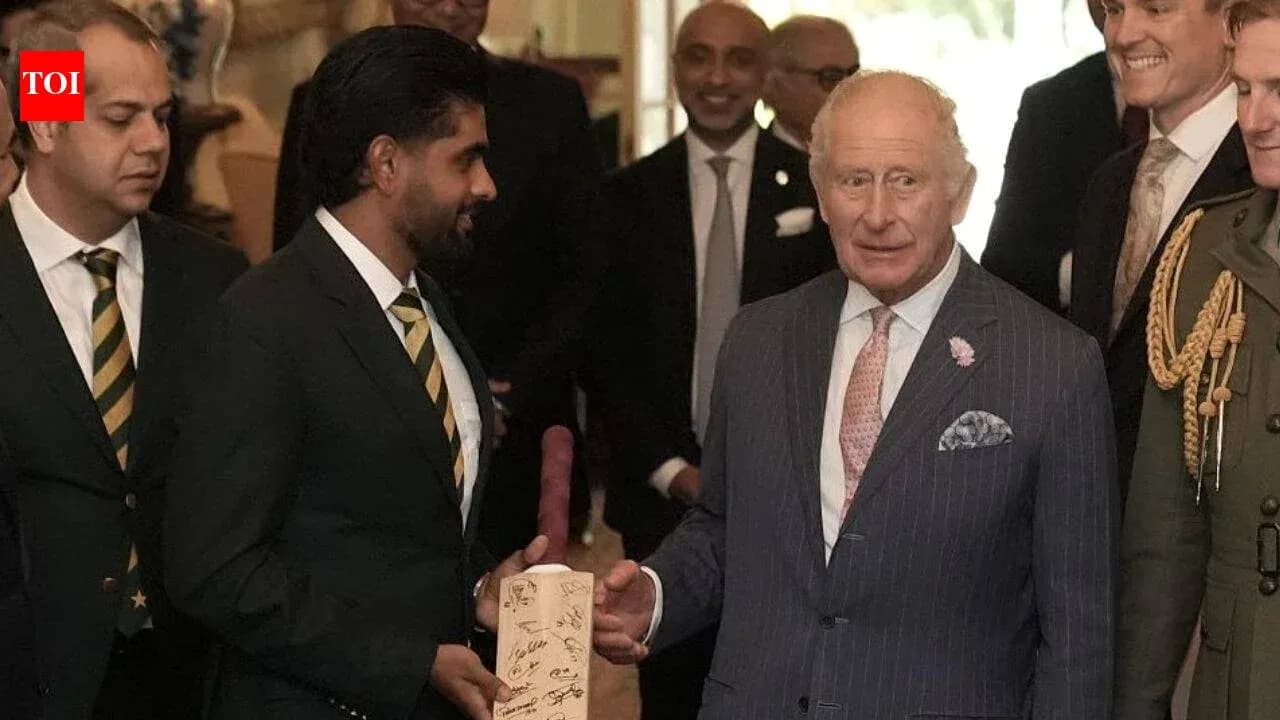
Inside Clarence House, the mood was far calmer than the storm outside. King Charles spoke with players and officials, offering words of encouragement during what has become a bruising tour on and off the field. Pakistan captain Babar Azam marked the occasion by presenting the King with a signed bat, while PCB chairman Mohsin Naqvi handed over a separate gift.
Naqvi later described the meeting as positive, saying the monarch praised Pakistan’s contribution to peace. It was a diplomatic win on paper. In cricketing terms, though, it did little to steady a side in freefall.
A team in open crisis
The royal engagement dropped into the middle of a chaotic reset in Pakistan cricket. The defeats at Lord’s and Headingley were damaging enough; what followed has been far more combustible.
At Lord’s, the team became embroiled in controversy when it threatened not to return after lunch if a television interview with the sons of former captain and prime minister Imran Khan went to air. The interview was broadcast anyway. Pakistan, after a tense stand-off, did walk back onto the field and went on to lose the match.
The fallout was swift and ruthless. Seven players and members of the coaching staff were removed from the touring group. Head coach Sarfaraz Ahmed was sacked, the latest high-profile figure to be chewed up by the job. New Zealander Mike Hesson has since been drafted in to guide the side for the remainder of the series, walking straight into a dressing room that has been shaken, reshaped and publicly exposed.
So while the cameras at Clarence House captured polite smiles, handshakes and a bat being exchanged with the King, the backdrop was anything but regal. Players who had just been told they were surplus to requirements were suddenly required again—this time not for Pakistan, but for optics.
It leaves a stark question hanging over this tour: with the monarchy offering calm words and the board making chaotic moves, who is actually steering Pakistan cricket back towards stability?