Pakistan Overhauls Test Team Mid-Series as Seven Players Axed
Pakistan have not just tweaked a struggling Test tour of England. They’ve detonated it.
With the side 0-2 down in the series and reeling from five defeats in their last six Tests, the Pakistan Cricket Board has swung the axe on an extraordinary scale, releasing seven players from the touring party and overhauling the coaching structure mid-series.
Senior players dumped as form crisis bites
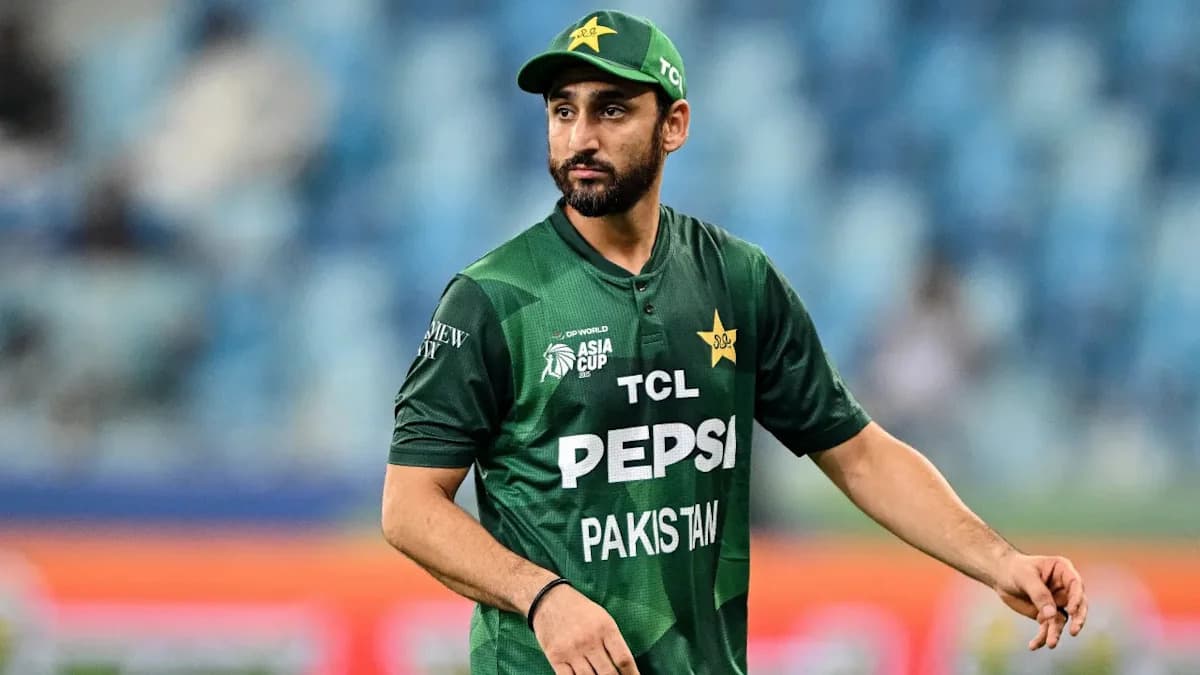
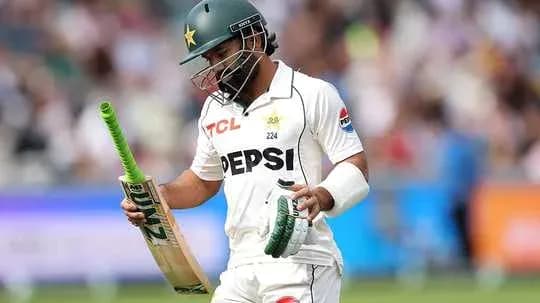
The most eye-catching casualty is former white-ball captain Salman Agha, cut loose from the Test squad along with a clutch of established names: Mohammad Rizwan, Imam-ul-Haq, Ali Usman, Aamir Jamal, Muhammad Awais Zafar and Khurram Shahzad.
It is not a gentle reset. It is a clear statement that patience has run out.
All three senior batters in that group – Agha, Rizwan and Imam – have been badly out of touch. Since the start of this year, Rizwan has managed 283 runs in 11 innings at 25.72, with only two fifties to show for his work. Agha’s returns are even leaner: 221 runs at 24.55. Imam, entrusted so often with setting the tone at the top, has stumbled to 178 runs at 22.25 from eight innings.
Those numbers sit inside a larger, bleaker picture. Since January 2025, Pakistan own the worst batting average of any World Test Championship side: 23.92. They are bottom of the WTC table, winless in their last 18 Tests in SENA countries (South Africa, England, New Zealand, Australia) since 2018, with 16 defeats and just two draws. Their last victory in those conditions came at Lord’s more than six years ago, in May 2018.
On Sunday, at the same ground, they suffered another defeat. It was their 10th loss in their last 11 away Tests and nudged their all-time Test win-loss ratio below 1 for the first time since 1987. Across 473 matches, Pakistan now have 153 wins and 154 defeats – a stark numerical symbol of decline.
Seven out, seven in for Birmingham
The response has been ruthless. For the third Test at Birmingham, starting September 9, the management has issued seven fresh call-ups.
Three of them – Saim Ayub, Abdullah Fazal and Arafat Minhas – have already tasted international cricket for Pakistan and now step into a dressing room in turmoil, but also one suddenly full of opportunity.
They are joined by four uncapped players: Mohammad Imran Jnr, Saad Baig, Mohammad Imran (Imran Randhawa) and Razaullah. For that quartet, this is a leap from promise to the sharpest possible spotlight, in a country where Pakistan have been repeatedly exposed.
Pakistan are already out of the running for a place in the WTC final. That reality has given the selectors room to be bold, even brutal. The third Test is no longer just about salvaging a series scoreline; it has become an open trial for the next phase of Pakistan’s red-ball cricket.
Hesson steps in as Sarfaraz, Gul released
The shake-up is not confined to the players.
Mike Hesson, previously overseeing Pakistan’s white-ball setup, has been told to take charge of the Test squad alongside Ashley Noffke. The New Zealander is understood to be in England already and will link up with the side shortly, stepping into a role that carries both immediate pressure and longer-term responsibility.
Hesson will now coach the red-ball team for the rest of this WTC cycle: two Tests in Sri Lanka in November and two more in New Zealand early next year. In the process, current Test coach Sarfaraz Ahmed and bowling coach Umar Gul have been released from their roles.
Mid-tour coaching changes in England are not without precedent. A decade ago, the BCCI parachuted Ravi Shastri and his support staff – Bharat Arun, R Sridhar and Sanjay Bangar – into a faltering India setup, effectively sidelining Duncan Fletcher’s team after a 1-3 Test series defeat, but before the white-ball leg.
Pakistan have gone a step further, pulling the trigger in the middle of the Test series itself.
A team at a crossroads
This is what a crisis looks like when the numbers, the performances and the mood all point in the same direction.
Pakistan’s batting has collapsed too often, their away record has crumbled, and their once-proud Test heritage now sits on the wrong side of the win-loss ledger. The board has chosen shock therapy: senior players out, a new coaching voice in, and a wave of fresh faces thrown into an English cauldron.
Birmingham will not just be another Test. It will be the first hard look at whether this jolt can arrest a slide that has dragged Pakistan from Lord’s glory in 2018 to the brink of irrelevance in the current WTC cycle – or whether this is only the beginning of a far deeper rebuild.