Pakistan's Top-Order Crisis Hits 35-Year Low
Pakistan arrived in England searching for stability at the top. They leave with a statistic that will haunt them for years.
Across three Tests and six innings, Pakistan’s opening stands scraped together just 20 runs. Not in a match. In the entire series. It is their joint-worst return for openers in 35 years, and their lowest in a series since the 1990-91 home campaign against West Indies.
At Edgbaston, the problem reached its most brutal expression. In the second innings of the third Test, Pakistan’s openers walked out needing to set a platform. They did not add a single run. The scoreboard stayed frozen on zero as both wickets fell, the tone of the innings set in a handful of bleak minutes.
Three opening pairs, no answers
Pakistan did not cling stubbornly to one combination. They shuffled the deck, tried three different opening pairs, changed faces and left-right options. Nothing stuck.
Across six innings, the openers never once reached a stand of 10. The highest opening partnership of the series was eight. For a side that has historically leaned on solid starts in foreign conditions, that number reads like an indictment.
Imam-ul-Haq had one bright outing with 42, but it sat awkwardly beside a duck. Shan Masood’s returns of 1 and 26 told a similar story: one innings with intent, one gone almost before it began. Saim Ayub, given a look at the top, lasted two innings and made 0 and 0. The revolving door only deepened the sense of fragility.
Awais stands alone
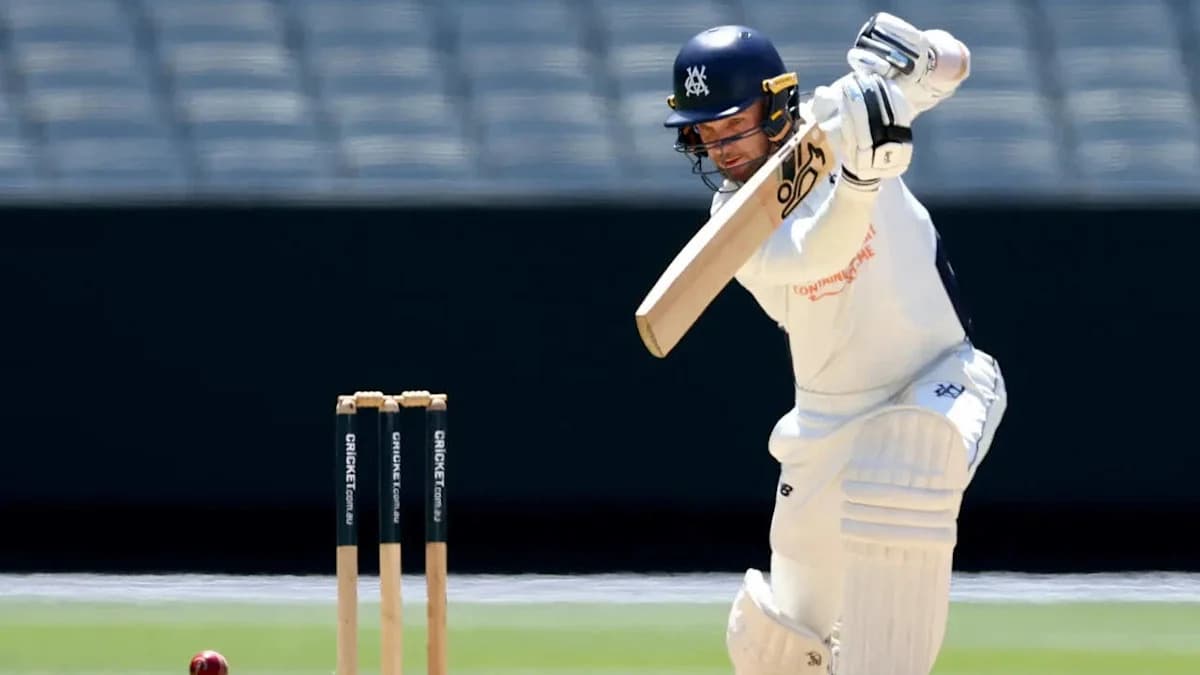
Amid the wreckage, one name offered resistance: Azan Awais.
The young opener, thrust into a series that quickly turned unforgiving, cobbled together 129 runs from six innings at 21.50. Those are not headline numbers, but in the context of Pakistan’s chaos, they stand out as the only hint of reliability.
He battled, left well at times, and tried to stitch together something resembling an innings while partners came and went around him. Every time he walked out, the pattern repeated: early loss at the other end, the middle order exposed before the shine had gone from the new ball, and the scoreboard still gasping for air.
Awais did his share. The structure around him crumbled.
Edgbaston collapse seals unwanted history
The failures at the top were not isolated moments; they fed into a wider batting unraveling, most starkly exposed in the third Test at Edgbaston.
In the first innings there, Pakistan folded for 133. The top five batters all fell for single-figure scores. All five. In England, in the first innings of a Test, that had never happened before to any team.
The new ball carved through the line-up, and by the time the middle order tried to rebuild, the damage was terminal. Every early wicket dragged England further into the contest and Pakistan deeper into crisis. That historic top-five implosion turned a difficult tour into a statistical low point.
Numbers like these do not disappear quickly. They linger in selection meetings, shape careers, and force hard conversations about technique, temperament, and planning at the top of the order. Pakistan now know, in cold detail, what happens when the first line of defence simply does not hold.