Pat Cummins Addresses Sandpapergate Controversy
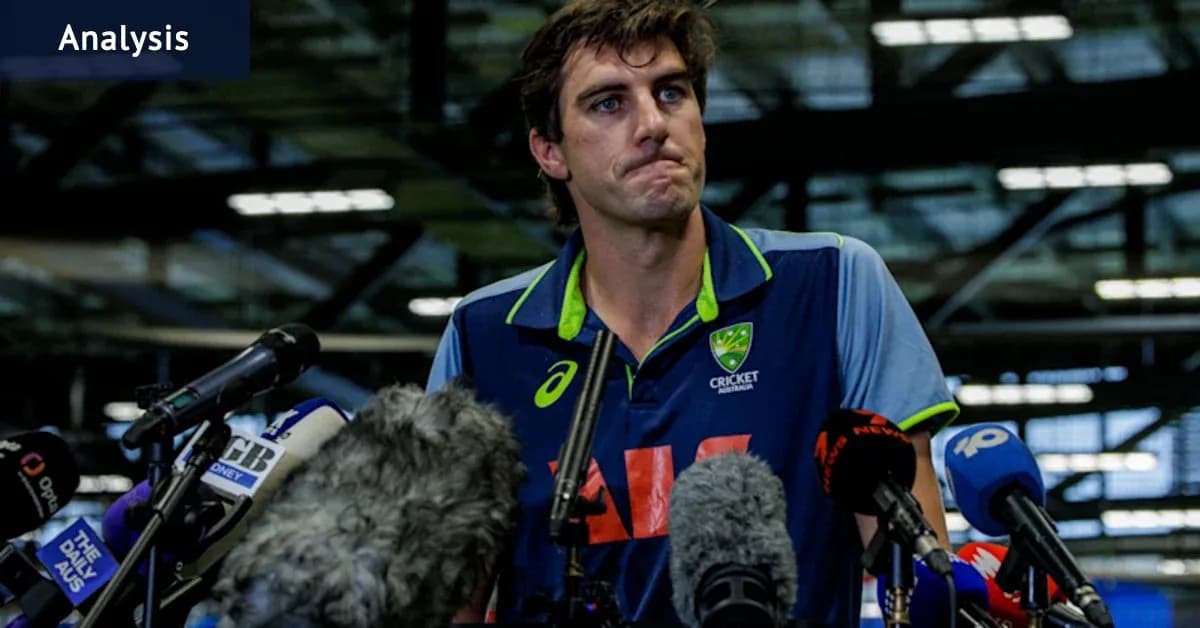
Pat Cummins slipped through a back entrance at Cricket NSW on Friday morning, away from the television trucks and long lenses waiting out the front. Australian cricket was in another Sandpapergate spin cycle. His integrity was on the line.
Sixty-nine minutes later, he walked back out having delivered one of the most gripping press conferences modern Australian sport has seen.
No tears. No stage-managed escape routes. Just a captain who came armed with notes, a clear plan – and a few pointed bouncers for Usman Khawaja.
A press conference for the ages
The build-up felt like a Test match morning.
Cummins had announced the press conference himself on social media, not through Cricket Australia’s usual channels. By 9.30am, close to a hundred people were jammed into the indoor nets at Cricket NSW – reporters shoulder to shoulder, cameras stacked on tripods, officials hovering at the back. Breakfast television had been outside since dawn.
Cummins, in a Cricket Australia polo, took his seat and started reading from typed notes. No handlers flanking him, no media manager leaping in to kill off questions. Just the Australian Test captain, a lectern and a scandal that refuses to die.
He spoke, then he kept speaking. Questions flew from every angle. He took all of them.
When it finally ended, he walked out to the middle and bowled alongside Mitchell Starc and Josh Hazlewood, then wandered into the public café for a sandwich and photos with fans. The theatre of the morning gave way to the mundane. But the impression he left in that nets area will linger far longer.
Leadership with the pads on
This was Cummins’ most forceful public performance since he fronted up after Justin Langer’s exit in 2022. That day he told past players he was sticking up for his mates. On Friday, he was sticking up for himself.
He had been under pressure all week to answer Khawaja’s claims from his book, Sabr. Instead of rushing out a statement, he waited. He rang former teammates to check memories. He decided exactly what he wanted to challenge and what he was prepared to concede.
The result was a captain in complete control of his own narrative.
He was direct when he remembered details. He was equally direct when he didn’t. There were no convenient, hazy recollections to suit his story. And when it came to the core question – whether he knew of a plan to use sandpaper on the ball in South Africa – he was absolute: he did not.
The real masterstroke came after the statement. Cummins told the room they could ask questions for as long as they liked. The longer it went, the more the atmosphere changed. The initial edge softened. The combative tone gave way to something closer to grudging respect.
At one point an SBS journalist quietly collected their microphone and left. Someone joked about a drinks break at the hour mark. Cummins stayed put, pads metaphorically on, taking every delivery.
If leadership is fronting up when you could easily hide, this was it.
Anger, humour – and a friendship on the line
For all his composure, Cummins’ frustration bled through.
He made it clear he was angry that his integrity had been dragged into question again, eight years after the Cape Town debacle. He had believed that chapter of his career was closed. Khawaja’s book ripped it back open.
One of the more telling moments came when he revealed his wife, Becky, had also been furious. The saga had literally followed them home. The Australian newspaper had published footage of the couple in a heated conversation outside their house, filmed after a photographer happened upon them. The paper chose not to buy the images, but the intrusion underlined how personal the fallout had become.
Cummins still found room for a joke. As an lbw appeal went up in the Sheffield Shield match between NSW and South Australia on the adjacent field, he glanced past the pack of reporters, called “not out” and grinned. He also laughed off suggestions he and Becky had been arguing, quipping that he’d simply put the wrong bin out.
The tone shifted when he spoke about Khawaja. He called him a friend, then admitted he didn’t know where their relationship now stood. The cut there was sharper than any one-liner.
A dressing room with an ugly edge
If there was any doubt that Australian cricket had lost its way before Sandpapergate, Cummins erased it.
He described the 2018 environment bluntly. A win-at-all-costs mentality. An “ugly underbelly”. Too many silos inside the dressing room.
He acknowledged he missed chunks of international cricket through injury in the years leading up to Cape Town, but his assessment of the culture was still damning. It painted a picture of a team where lines blurred and behaviour hardened, a place where Bancroft, Steve Smith and David Warner felt emboldened – or pressured – to cross a line.
Cummins said those traits were exactly what he had tried to strip out over the last six years as captain. He wanted that on the record. This wasn’t just about one act with a strip of sandpaper. It was about the environment that made it possible.
The dark arts laid bare
One of the most fascinating passages came when Cummins talked about the “dark arts” of ball maintenance.
He drew a clear line between legally looking after a ball and illegally altering it. Players can shine, dry, scuff within the rules. That doesn’t automatically equal tampering.
He revealed Australia had used sandpaper at training to rough up balls and practise facing reverse swing. That alone jolted the room; the word “sandpaper” has become so loaded that any association feels incriminating. He explained it as preparation, not cheating.
Then he went further, listing the tricks that float around change rooms.
- Zippers.
- Superglue on wicketkeepers’ gloves.
- Layers of nail polish.
- Murray Mints.
- Even tales from long ago of sandpaper taped between fingers.
He joked he’d be hopeless because he bites his nails.
These weren’t confessions. They were examples of the kind of conversations that happen everywhere from suburban sheds to international rooms. Talk is one thing, Cummins said. Acting on it is another.
The message was clear: the dark arts are part of cricket’s folklore. In South Africa, they became front-page news.
Cricket as a sideshow
While Cummins was fielding questions about 2018, Sam Konstas was playing the innings of his young life.
The NSW teenager peeled off 173 in the Shield less than a month out from the first Test of the summer. On another day, he would have been splashed across the back pages. On Friday, his knock barely registered in the national conversation.
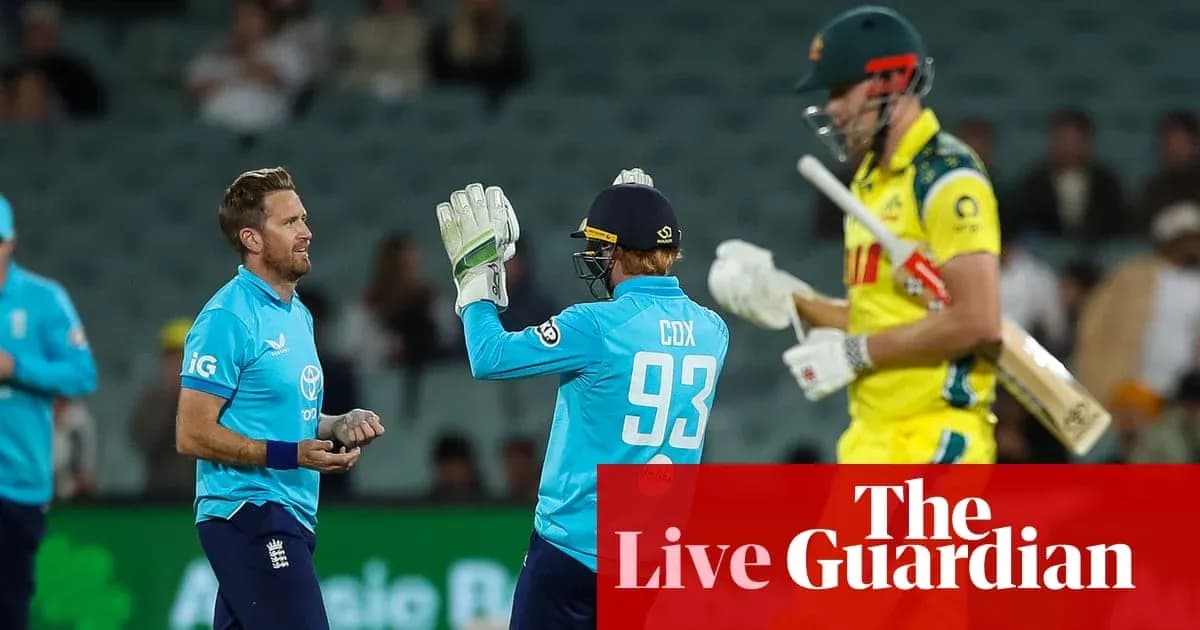
He wasn’t alone. Mahli Beardman, the young quick who tore through England with six wickets on ODI debut, has also been pushed to the margins by the Sandpapergate aftershocks.
Khawaja has argued that his words no longer affect the current team because he has retired. The events of this week say otherwise. The dressing room might be united, but the game around it is consumed.
Cummins’ press conference underlined that frustration. Across more than an hour, he fielded just one cricket question. It was about Beardman.
Cricket NSW, wary of being dragged into the storm, even pulled Konstas from media duties on Thursday after he reached three figures. On Friday, after stumps, he emerged and laughed about the circus.
“It was a bit hectic,” he said. “Obviously there was a lot of media today with Pat. We’ve got a massive job to do [in this game].”
Asked if he’d found a car park that morning, he smiled. “I thought they were all coming for me. They were all here for Pat.”
The scoreboard says plenty about where the sport’s priorities have been forced to shift.
Two stories, one scandal that won’t go away
Strip away the emotion and one hard truth remains: there are still competing versions of what happened in South Africa.
Cummins says Khawaja is wrong. Khawaja and Warner dispute Cummins’ account, and by extension that of the bowlers. The captain pointed out that international dressing rooms are big, noisy places. Conversations happen in pockets. Not everyone hears everything.
He also revealed Khawaja never asked him for his recollection of events before publishing his book. That detail hung in the air.
Several key figures from that 2018 tour are yet to properly weigh in on Khawaja’s latest claims. Smith has not. Bancroft has not. Nor have Nathan Lyon, Josh Hazlewood or Tim Paine. Brad Haddin, assistant coach back then and now in charge of NSW, has also stayed quiet.
Warner, though, continues to chip away at the accepted version, using his media roles – including Fox Cricket – to question the official story. While he keeps swinging, the controversy stays alive.
Khawaja has worn plenty this week. His appearance on ABC’s 7.30, where Sarah Ferguson pressed him hard on the gaps in his account, made for uncomfortable viewing. He is due to appear on The Grade Cricketer podcast, although after Cummins’ intervention on Friday, that booking suddenly looks less certain.
Out in the wider game, the jury is still split. A poll on this masthead, with more than 18,000 respondents, had 46 per cent believing “everyone” knew about the sandpaper in South Africa. Forty-four per cent said not every player did. Ten per cent were undecided.
No verdict. Just a divided public and a scandal that keeps breathing.
Cummins may have won this round in the court of public opinion. He fronted, he fought, and he walked away with his reputation, in many eyes, strengthened. But as long as there are unanswered questions, conflicting memories and players willing to reopen old wounds, how far can Australian cricket really move on?