Rashid Latif Criticizes PCB After Lord’s Defeat: Worst in 70 Years
England’s ruthless 194-run victory at Lord’s did more than seal the series. It ripped the lid off Pakistan cricket’s deeper crisis.
As Babar Azam’s side trudged off the field on Sunday, beaten and battered, former captain and wicketkeeper-batter Rashid Latif aimed his anger not at the players alone, but at the system that sent them out.
He did not hold back.
“Worst in 70 years”
On Geo News, Latif backed the growing narrative in the British press that this might be the weakest Pakistan touring side in half a century. Then he went a step further.
“Everyone is talking about the Pakistan team, and how it is the worst touring team in the last 50 years. But nobody is speaking about how the current board is the worst in the last 70 years. Nobody is talking about the worst selection committee and coaches,” he said.
For Latif, the rot runs far higher than the dressing room.
“If you combine these issues, you will get the answer to your question. You will know who has ruined this team. Now you are losing consistently. This is the worst cricket board, that's a fact.”
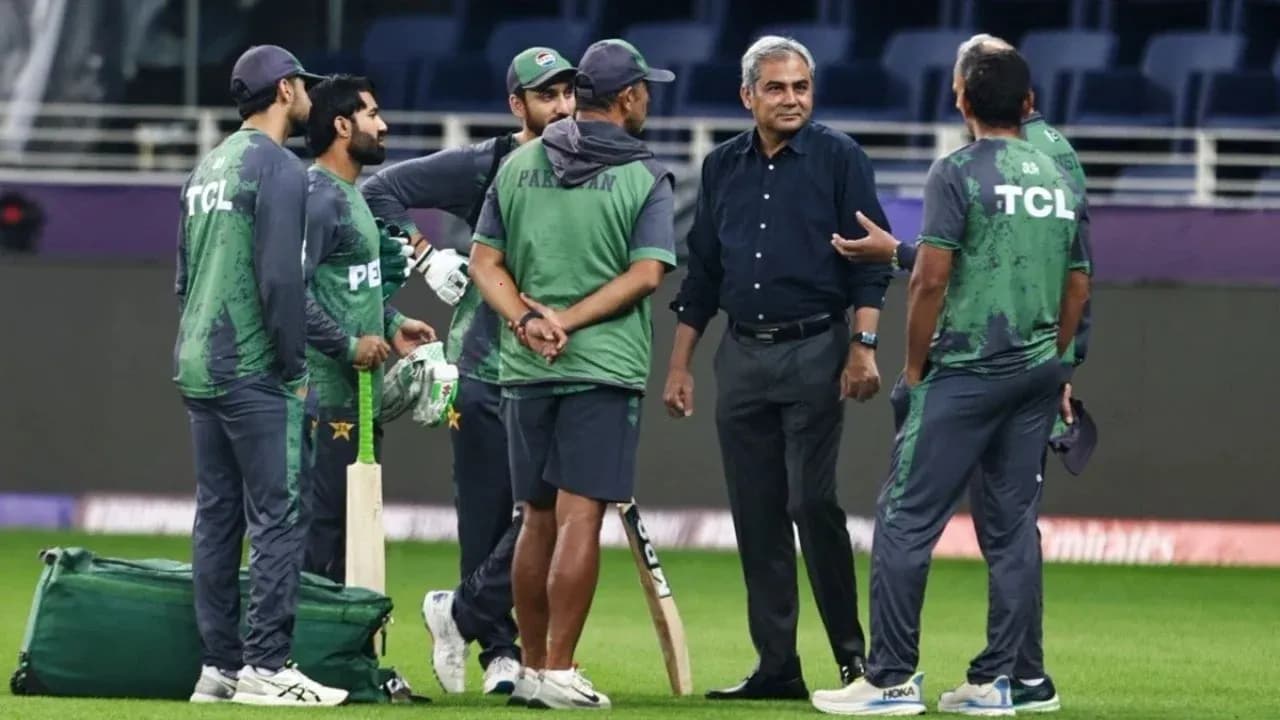
It was a damning verdict on the Pakistan Cricket Board, the selectors, and the coaching staff after a tour that has spiralled from concern into embarrassment.
Batting in freefall
The numbers tell their own story. Across two Tests in England, Pakistan have not once reached 200 in an innings. Not once.
This is a country that has produced some of the most elegant batters the game has seen. At Lord’s, it looked like a side unsure of its own method, its own identity.
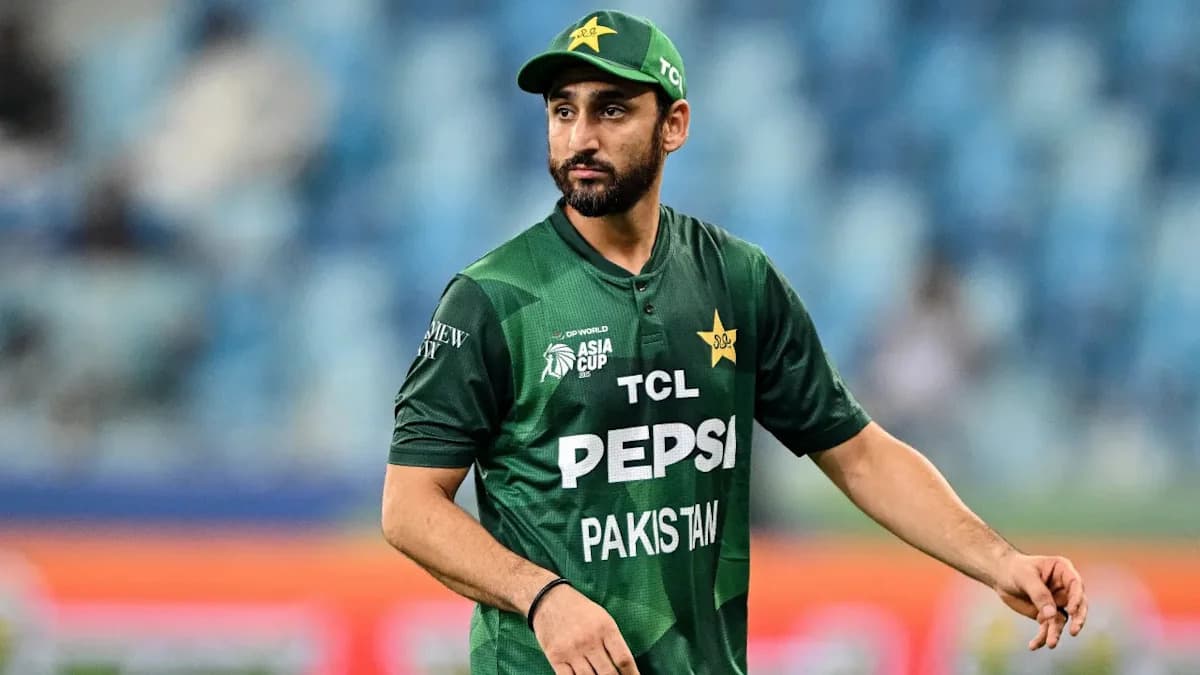
The second Test was supposed to mark a turning point. Babar Azam, absent from the opening match, returned at the “Home of Cricket” to shore up a fragile top order. Instead, the pressure only grew.
He made 8 in the first innings. Six in the second. No authority, no statement, no anchor around which the rest could build.
His second-innings dismissal captured Pakistan’s tour in a single moment. Jofra Archer, sensing vulnerability, banged in a sharp short ball. Babar misjudged, failed to deal with the pace and lift, and departed cheaply again. The wicket deepened the gloom in a camp already searching for answers.
This was not one bad day. This has been a pattern.
Turmoil beyond the boundary
The chaos has not been confined to the pitch.
The Lord’s Test unfolded against the backdrop of a political and emotional storm, after Sky Sports aired an 18-minute interview with Imran Khan’s sons, focusing on the former Pakistan captain and prime minister’s imprisonment.
Reports quickly surfaced that the PCB had threatened to pull Pakistan out of the Test in protest at the broadcast. The notion of a walkout at Lord’s, mid-series, only heightened the sense of instability around the touring party.
Both Babar Azam and head coach Sarfaraz Ahmed later denied that Pakistan had considered abandoning the match. The game went ahead. The noise did not fade.
For a side already struggling for runs, clarity, and confidence, the off-field distraction only added to the sense of a team caught in a storm it cannot control.
Series gone, pride on the line
England’s win at Lord’s handed them a 2-0 lead and the series with a match to spare. Pakistan’s tour of the UK, already bleak, now hangs on one final chance to salvage something more intangible than points: pride.
The third and final Test at Edgbaston in Birmingham starts on September 9. The result will not change the series outcome. It will, however, shape the narrative that follows this team home.
Another collapse, another heavy defeat, and the calls like Latif’s will only grow louder, more unforgiving. A fightback, even in a dead rubber, would at least show that this side still has some resistance left, some backbone beneath the bruises.
For now, Pakistan stand 2-0 down, unable to pass 200, under fire from their own legends, and staring at the prospect of a 3-0 whitewash.
The board, the selectors, and the coaches have been put on notice. Edgbaston will not just be about avoiding defeat. It will be a test of who in Pakistan cricket is still willing to take responsibility, and who is left to carry the blame.