Sahibzada Farhan Takes Charge as Pakistan Prepares for Asian Games
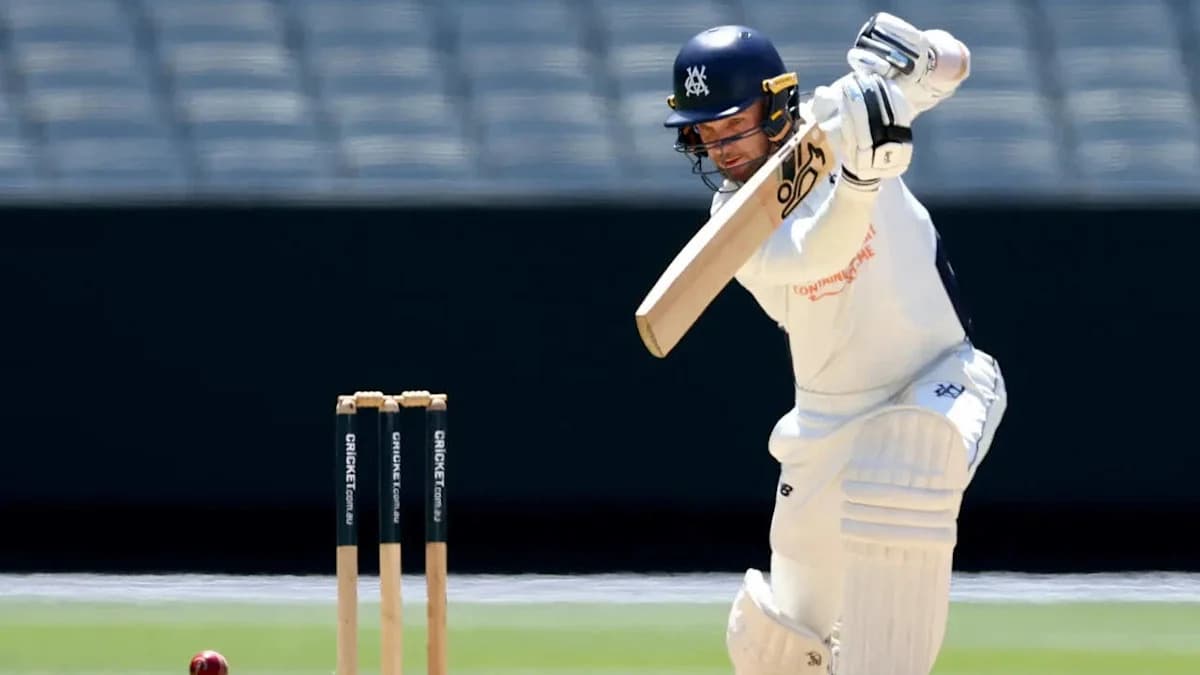
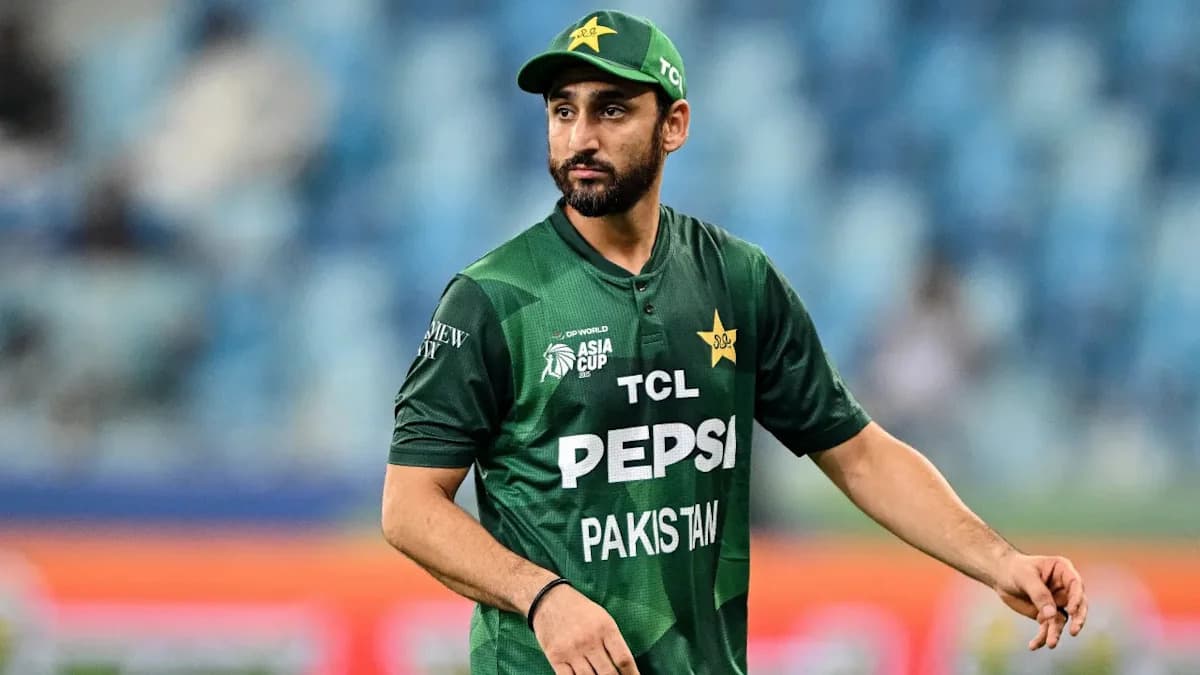
Pakistan have handed the Asian Games reins to Sahibzada Farhan, a move that underlines both a changing of the guard and a calculated gamble. The top-order batter will lead a second-string but intriguing squad, with Abdul Samad named his deputy for the campaign in Japan.
The headline, though, is about who is not going.
Babar Azam, Shaheen Afridi, Haris Rauf and Naseem Shah are all missing from the squad. No explanation has been formally pinned down: whether this is a hard reset or simply strategic rest remains deliberately opaque. Either way, Pakistan will travel without their biggest modern-day stars, trusting a younger core to carry the flag in a multi-sport arena where cricket still fights for attention.
Camp in Karachi, Eyes on Japan
The squad assembled in Karachi on Sunday and will run through an intensive training camp from Monday, September 21, to Thursday, September 14. The dates jar on the calendar, but the message is clear: a short, sharp window to drill combinations, define roles and get Farhan’s voice firmly established in the dressing room.
Once the camp wraps up, the Farhan-led group will fly out to Japan on Thursday night, stepping into a tournament that offers both medals and auditions. For several of these players, this is as much about impressing national selectors for future senior tours as it is about standing on a podium.
Five members of the squad will arrive late to the party. Usman Khan, Saim Ayub, Maaz Sadaqat, Hasan Nawaz and Sufyan Moqim are all tied up with franchise duties, their commitments ending only after the Caribbean Premier League (CPL) final. They are expected to link up with the national camp straight after, cutting it fine but carrying the rhythm of competitive cricket into the Games.
High-Stakes Draw, Familiar Rivalry
The men’s cricket competition at the Asian Games starts on Monday, September 24, with a format that rewards regional heavyweights. India, Pakistan, Sri Lanka and Bangladesh have all been granted direct passage to the quarter-finals, skipping the early rounds and stepping straight into knockout pressure.
The draw has done something unusual with the sport’s fiercest rivalry. India and Pakistan cannot meet in the semi-finals. The bracket is built so that the only possible clashes between the two giants would come with medals on the line — either in the bronze match or the gold medal showdown.
Both will open their campaigns on the same day, Monday, September 28, in their respective quarter-finals. One bad day and the dream of an India–Pakistan final disappears. One good run and the Games get the marquee fixture everyone secretly wants.
India Go Full Strength
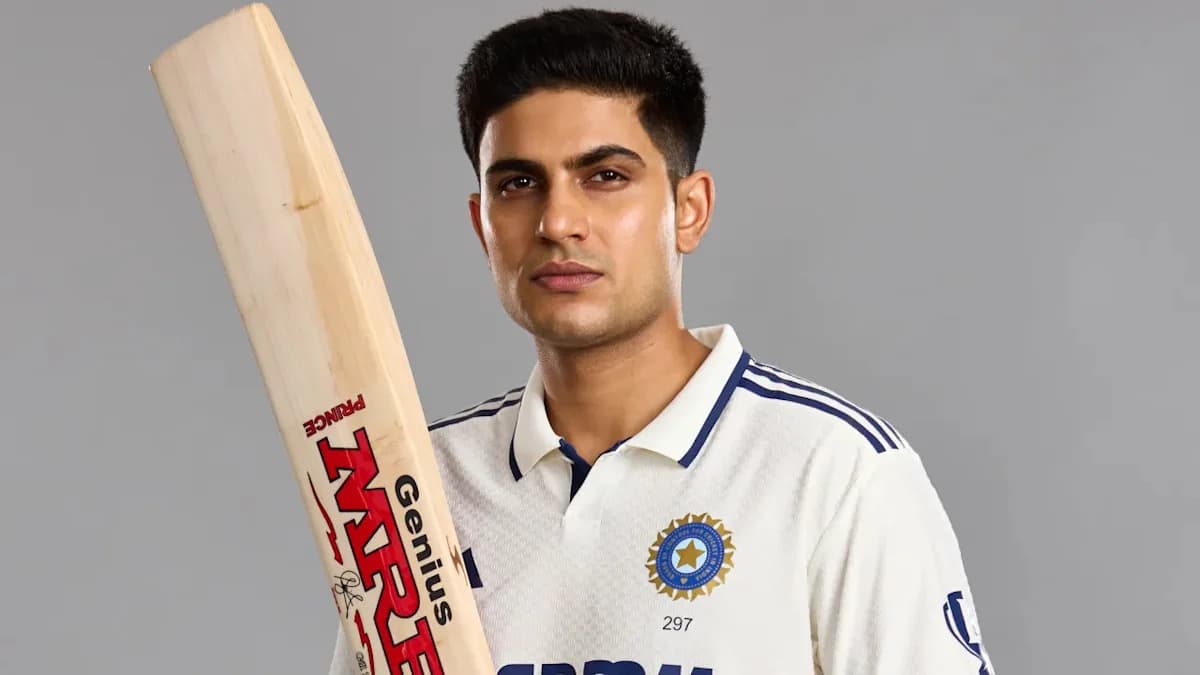
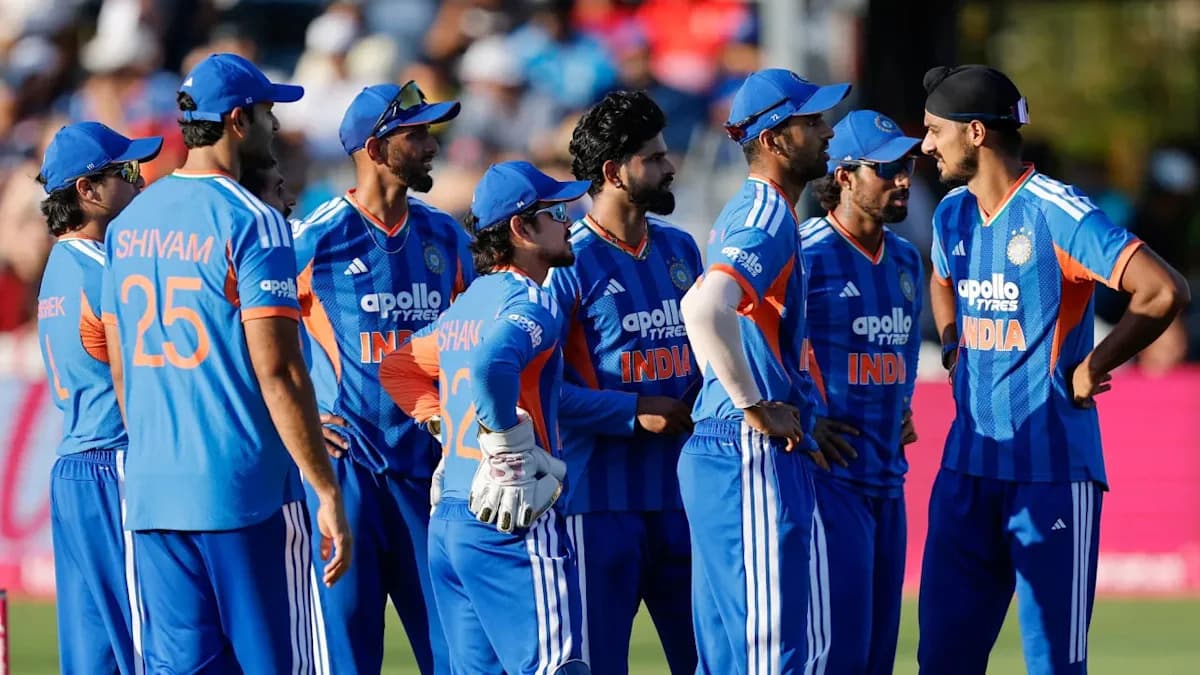
Across the border, the approach could hardly be more different. The BCCI has named a full-strength squad for the Asian Games, treating the event as a serious international assignment rather than an experimental lab.
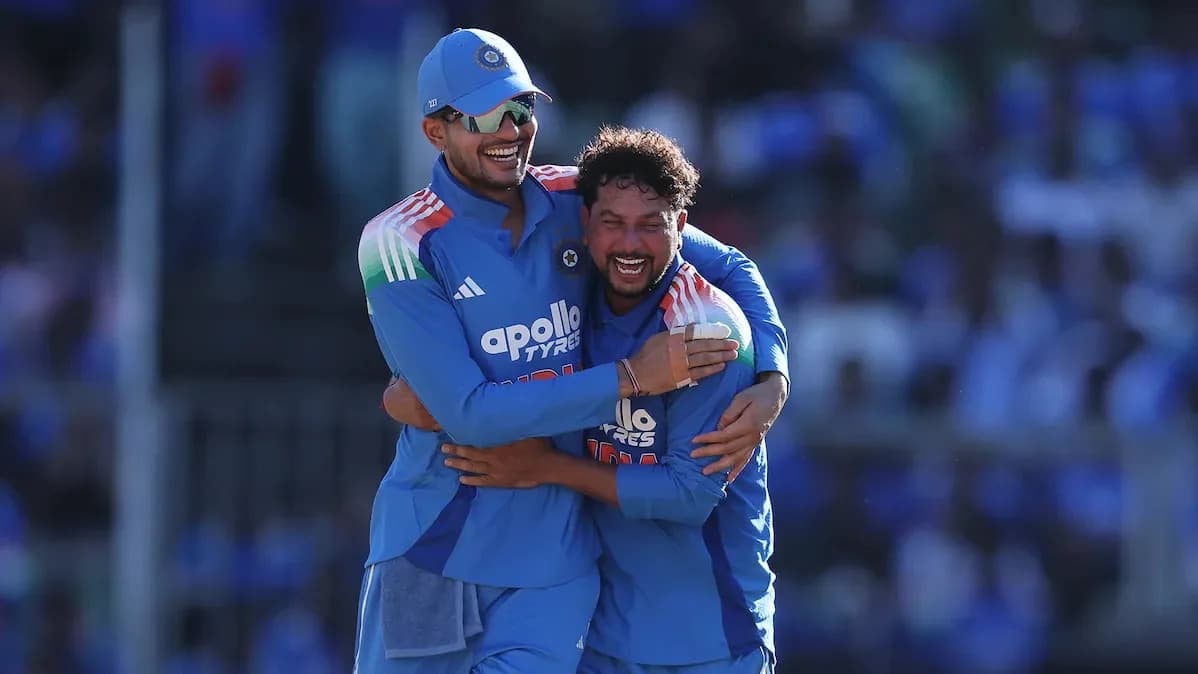
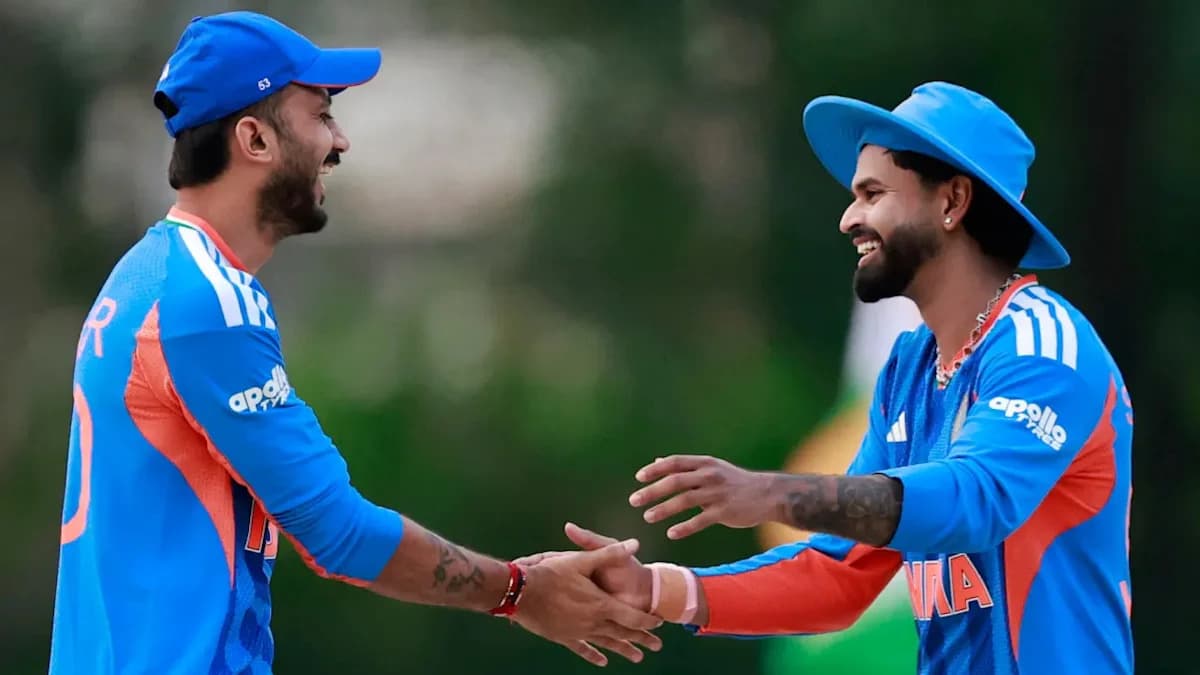
Shreyas Iyer will captain a side stacked with established names. Jasprit Bumrah, Sanju Samson, Ishan Kishan, Vaibhav Sooryavanshi and Tilak Varma are all in the group, giving India depth in every department. VVS Laxman will coach the contingent, while Gautam Gambhir focuses on leading the upcoming ODI series against the West Indies.
It sets up a compelling contrast: India with their big guns, Pakistan with a fresher, less proven cast. The medals table will keep score.
Pakistan’s Squad: Opportunity Everywhere
Pakistan’s 15-man squad blends domestic performers, emerging talent and a handful of players with international experience:
- Sahibzada Farhan (captain)
- Abdul Samad (vice-captain)
- Abrar Ahmed
- Ahmed Daniyal
- Akif Javed
- Ali Raza
- Arafat Minhas
- Haider Ali
- Hasan Nawaz
- Maaz Sadaqat
- Mohammad Wasim Jnr
- Saad Masood
- Saim Ayub
- Sufyan Moqim
- Usman Khan (wicket-keeper)
Haider Ali and Mohammad Wasim Jnr bring familiarity with the international stage. Abrar Ahmed offers mystery spin that can strangle teams in T20 conditions. Around them sit batters and bowlers desperate to turn “potential” into permanent spots.
For Farhan, the brief is simple and brutal: weld this group into a unit fast, handle the scrutiny that comes with inheriting a side shorn of its superstars, and walk into Japan ready to punch above its perceived weight.
If this young core can navigate the early tests and keep the possibility of an India–Pakistan medal clash alive, the Asian Games might just become the stage where Pakistan’s next generation announces itself, not as understudies, but as contenders.