Sandpapergate: Pat Cummins Addresses Cricket's Dark Past
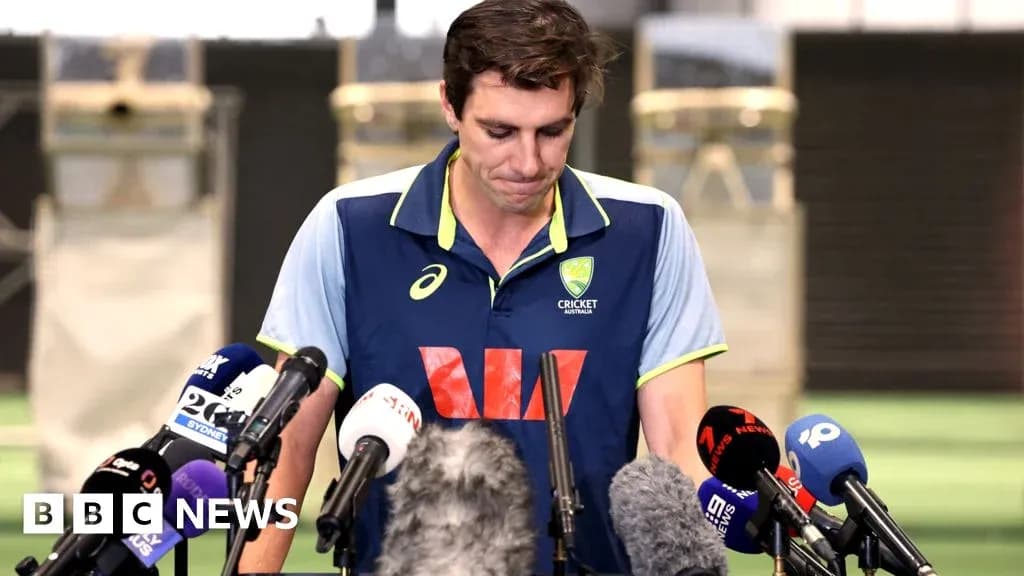
Pat Cummins stands in the nets at Cricket Central, shoulders square, voice steady, and spends more than an hour talking about everything except what he wants to talk about: cricket.
Outside in the Sydney sun, New South Wales and South Australia are getting a Sheffield Shield match under way. Inside, under strip lights and the hum of cameras, the Australian captain is dragged back into the darkest chapter of the sport’s recent history.
Sandpapergate is alive again. And it still hurts.
Eight Years On, the Scab Is Ripped Open
The trigger this time is a book. Usman Khawaja’s memoir, written by a man who shared dressing rooms, victories and scars with many of those now under scrutiny, has hauled Cape Town 2018 back into the centre of Australian cricket.
The basic facts have never been in dispute. Cameron Bancroft was caught on camera with sandpaper on the field during the third Test against South Africa. He, David Warner and Steve Smith admitted involvement and were hit with heavy bans. Careers were derailed, reputations shredded, and Australia’s cherished self-image as “a nation of good sports” took a brutal hit.
Khawaja now says the whole team knew about the plan. Not just three men. The whole dressing room.
Those few lines in a memoir have detonated like a fresh scandal. They have dragged today’s captain, Pat Cummins, into the storm and cast shadows over a generation of players who thought they had already served their time.
Cummins, a star bowler in that side and now the face of Australian cricket, sat behind the microphones and tried to draw a line.
“I don’t want to talk about this again after today,” he said. “Even if it takes all day... I’ll stay here until we have no more questions.”
A Nation of ‘Good Sports’ Back in the Dock
For many Australians, sandpapergate was never just about a doctored ball. It was about identity.
Prof David Rowe of the University of Western Sydney calls it a “nasty shock” that brought “collective shame”. Australia has long sold itself as a place where people play hard, win often, and do it the right way.
“The idea of being a good sport is two things,” he told the BBC. “One is being good at sport, so you actually win. But the other side is that you do it honourably and fairly.
“Many Australians would see themselves as above all that. That is: cheating is what other teams get up to... not the nation of good sports.”
Cape Town shattered that illusion. Eight years on, the glass is still on the floor.
Rowe believes the game will struggle to move on without a fresh response from Cricket Australia. Shutting the door, he argues, only feeds suspicion.
“One of the best ways to fuel conspiracy theories and keep sandpapergate going is to essentially say ‘there’s no more to see here’ – especially when that comes from the authorities.”
Cricket Australia chief executive Todd Greenberg has already ruled out reopening the investigation. Officially, the book is closed. Publicly, it is anything but.
Fans Caught Between Fatigue and Fury
In the stands and on the grass banks, the mood is conflicted.
Josh, 28, watches the cricket and shakes his head. “It’s just a bit crazy that it’s all blown up again... I think it is a bit ridiculous, after eight years.”
Nearby, a woman following the Shield game sums up the exhaustion. “I’m a bit bored of it,” she says.
There is frustration with Khawaja’s timing. He retired from international cricket in January. His book lands on shelves on the eve of a big home summer and a pivotal year for the men’s side, which has already stumbled in South Africa in its first Tests there since 2018.
Some fans feel ambushed. Others feel vindicated.
James, 21, calls it “a bit of a stitch up”, but not just for Australia. “Every country has done it... if it wasn’t us, it was probably going to be someone else.”
That sense of double standard – that Australia is still paying for what many inside the game insist was once widespread – burns deep. The rest of the world, some argue, has moved on. Australia is still in the dock.
Dressing Room Fault Lines
Inside the game, Khawaja’s words have reopened old wounds and drawn new lines.
In his memoir, he recalls urging the side to stand together when Bancroft was caught. “I said: ‘Take this as a team. We did this as a team. We knew what was going on, and we have to take it as a team’.”
He has since insisted he does not want a “witch hunt” and has refused to spell out exactly who knew what and when. The vagueness has only inflamed things.
Cummins labelled the claims “vague” and made no attempt to hide his frustration that a friend had dragged him into a mess he thought was over. “Friends aren’t casual with each other’s lives and reputations... That’s something I’ve been grappling with the last couple of days.”
David Warner, the man who received the harshest sanction of the Cape Town trio, has backed Khawaja’s version. He says the book tells the truth – and that Cummins’ public denial “threw him under the bus”.
Steve Smith, the captain at the time, has been overseas and is yet to speak. Bancroft, who once hinted that the bowlers knew more than they let on, is silent for now.
Around them, the old guard has stirred. Former coaches, past greats, and half of what Australians would call their “cricket royalty” have weighed in from the sidelines, some defending, some accusing, some simply shaking their heads.
The effect is a sport talking to itself, and often past itself.
Cummins in the Spotlight
Back in Sydney, Cummins handled what one reporter suggested might be the longest press conference in Australian sporting history with care and calculation.
He paused often, picked his words, and tried to answer each question fully. He made clear he wanted this to be the last time he had to.
He also made clear how weary he is of the saga.
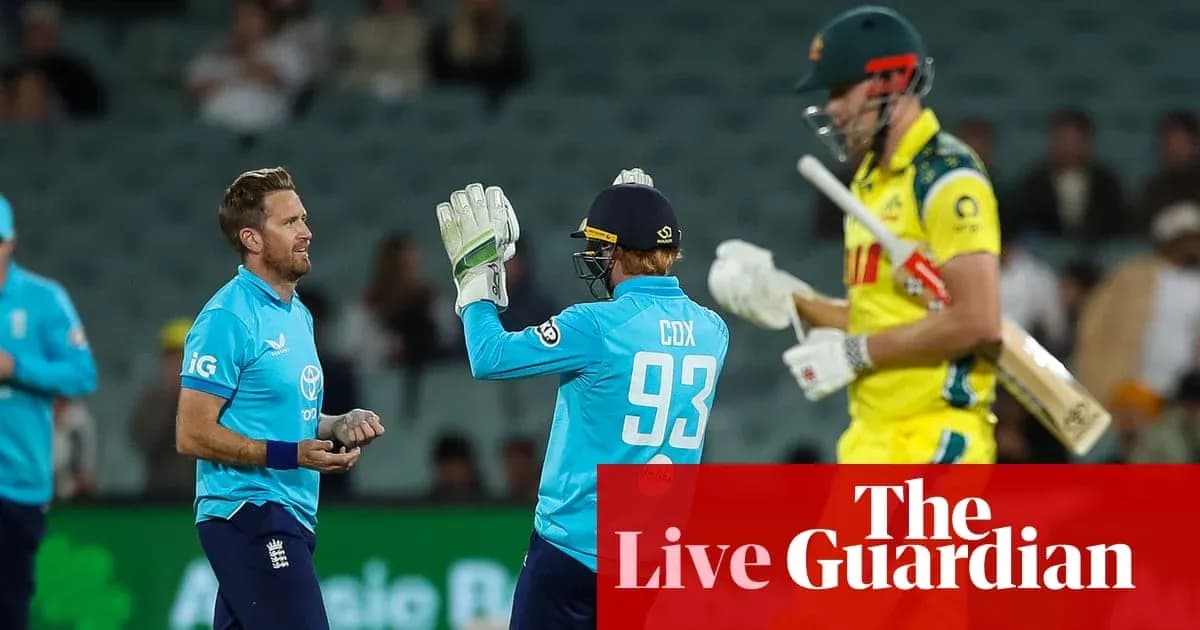
It is “annoying”, he admitted, that sandpapergate still dominates the conversation. He gestured towards the live cricket outside and pointed to Friday’s one-day international against England in Perth, a marquee fixture from which he and other senior players are being rested.
“It’s been eight years... Hopefully today we put a line through it and we’re done and we can all move on to much more fun topics, like actual cricket.”
The line, though, is not holding.
Cricket Australia says the investigation is over. Khawaja says the full story is not. Warner says the book is right. Cummins says the claims are wrong. Smith and Bancroft stay quiet.
James, watching from the stands, sees a stalemate. “It’s going to be hard to move on, given that there’s two sides of the story and it doesn’t look like either side is going to back down.”
So the ball sits, scuffed by history, in the middle of the pitch. The question is no longer what happened in Cape Town. It’s whether Australian cricket – and a country that still wants to see itself as a nation of good sports – is willing to live with never quite knowing who knew, and when.