Sanju Samson and Sooryavanshi: Rivalry Rooted in Trust
Sanju Samson has seen this story from both sides.
He was the captain who first backed a skinny 14-year-old kid at Rajasthan Royals, then watched in amazement as the boy ripped up the script of IPL 2025. Now, in India colours, Samson is the senior pro fighting that same teenager for a single, precious slot at the top of the order.
The twist? He seems completely at peace with it.
From prodigy to rival
It began with an injury. Rajasthan Royals lost their captain deep into the league phase of IPL 2025, and with their season on the line, they turned to a schoolboy.
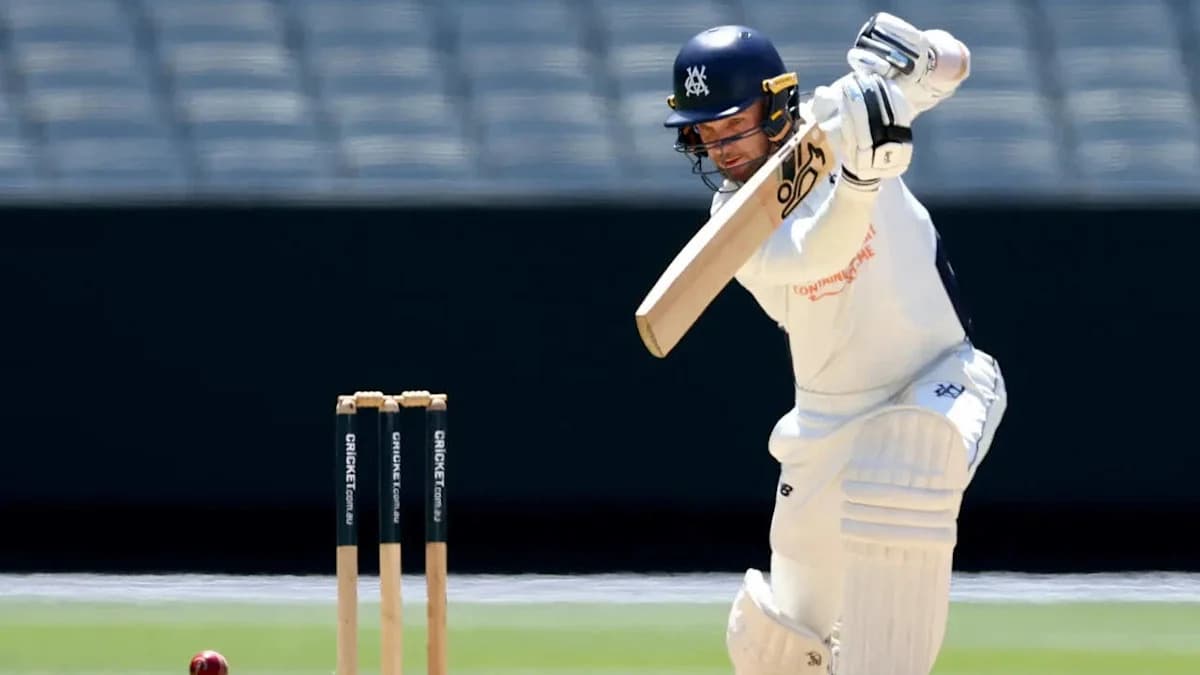
Sooryavanshi walked in at 14 and, in just his third game, peeled off a century. No sighters. No nerves. Just clean, fearless hitting. By the time Samson returned from injury, the equation had changed. The kid stayed at the top. The captain moved to No. 3.
That decision, bold at the time, laid the foundation for a different kind of tension. The mentor-protege bond soon carried an edge as both began circling the same role in the national side.
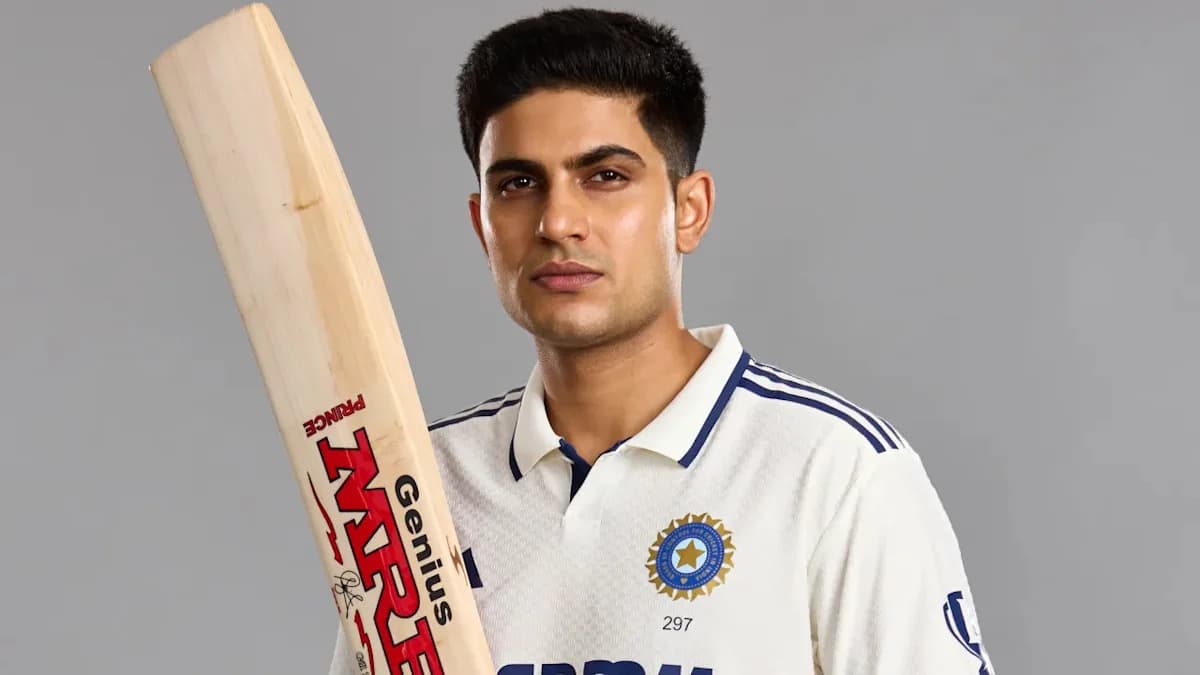
A year later, Sooryavanshi had been fast-tracked into the Indian T20I set-up. The same two men, once partners in a franchise rebuild, now stood as direct competitors for one spot in one of the most scrutinised batting orders in world cricket.
Delhi, Afghanistan, and a statement innings
In Delhi against Afghanistan, at the Arun Jaitley Stadium, the call went Samson’s way.
He had failed in the series opener. He knew the noise that follows him. He also knew who was sitting on the bench: a teenager coming off a Player of the Series award in Zimbabwe, a boy who had already reshaped selection debates with his numbers.
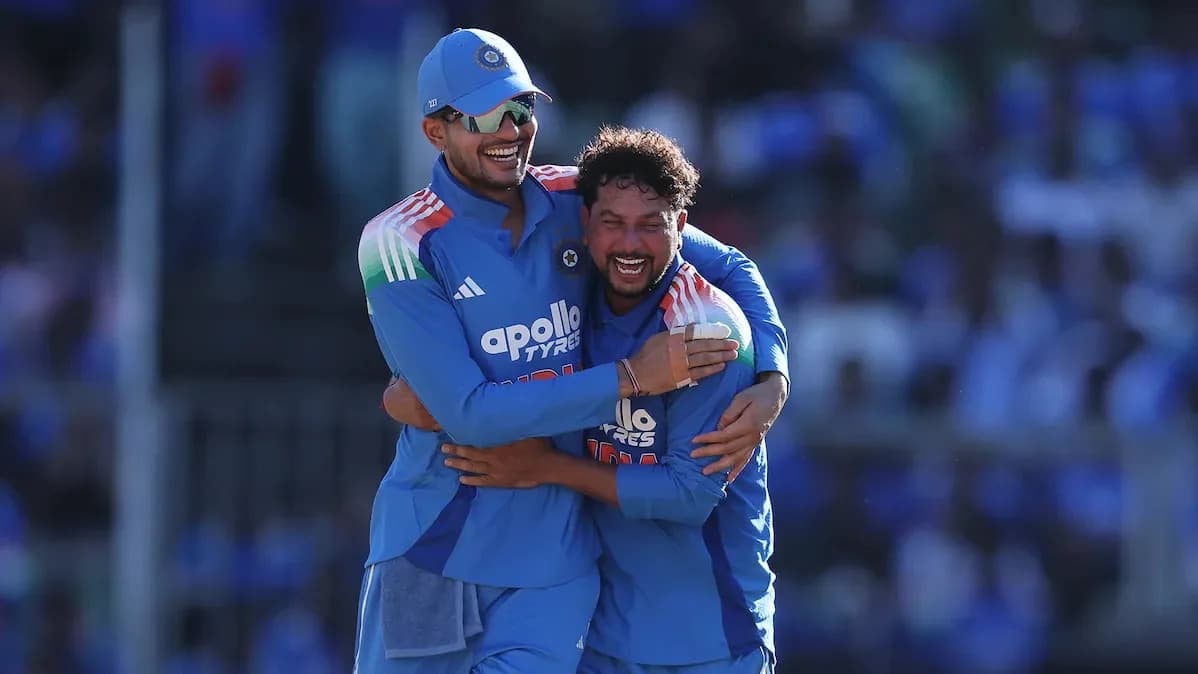
Samson’s answer was brutal and uncomplicated – a 22-ball 57, an innings that crackled with intent. He smashed, he charged, he refused to bat like a man under threat. While he took Afghanistan apart, Sooryavanshi watched from the sidelines for the second game in a row.
For a rivalry that has gripped public imagination, Samson insists the drama exists only outside the dressing room.
“We may be competitors to the outside world, but we are a team and we are playing for a country and we want to win the game first,” he said after India wrapped up the three-match T20I series 2-0 with a game to spare.
There was no bitterness in his explanation, only a clear-eyed understanding of how Indian cricket works.
“We just have to be ready for our own opportunity. We can't sulk that ‘oh, I didn't get [the chance] or why did they give it to him’. Those kind of mindsets don't work here.”
The weight of success, and the price of failure
Samson is not speaking from the fringes. Earlier this year, at the home T20 World Cup, he walked away with the Player of the Tournament award. He didn’t even start that campaign in the XI. When he finally broke in, he began scratchily, then exploded: 97* off 50 balls in the semifinal, 89 in the final. India became the first team to defend their T20 crown. Samson, for a brief, blazing spell, owned the format.
Then came the IPL, and the spotlight shifted again.
While Sooryavanshi detonated attacks with a 776-run season at an average of 48.5 and a staggering strike-rate of 237.3, Samson’s year at Chennai Super Kings veered between feast and famine. The teenager’s numbers were too loud to ignore. The conversation around India’s T20 opening slot tilted sharply.
The correction was swift. Samson failed in three games – twice in Ireland as India slipped to a 0-2 series defeat, and again in the first T20I in England. The “Sooryavanshi factor” stopped being a whisper and became a selection force.
The youngster got three games in England, a tough initiation against a high-quality attack, before Samson returned for the final match of a series India eventually lost 0-4. Then Samson was left out entirely for the Zimbabwe tour. Sooryavanshi thrived, collected another Player of the Series award, and seemed to have edged ahead of his former IPL captain.
Delhi flipped the script again. Samson back in, Sooryavanshi out. Another round of public debate. Another round of questions for the selectors and the team management.
Inside the dressing room, Samson has chosen a different response.
“I try to turn off the Wi-Fi”
He has lived long enough in Indian cricket to understand the scrutiny. He knows what follows every low score, every omission, every selection call that goes against a popular narrative.
“I try to turn off the Wi-Fi,” he said, deadpan, sending the room into laughter.
Then he cut through the joke.
“At first, it feels bad. I am not a machine. We are not robots that it wouldn’t affect us at all. It definitely matters, and you kind of get a bit affected.”
There is no attempt to pretend the criticism bounces off. The maturity lies in how he has learned to carry it.
The modern T20 opener lives on the edge. High risk, high reward, low patience. Samson understands that his method – ultra-aggressive, boundary-hunting, tempo-setting – will never guarantee tidy, symmetrical scorecards. The inconsistency in results is baked into the role.
His response is to shift the idea of consistency away from numbers.
“I think consistency in my process. I think consistency in my preparation, consistency in how I am practicing, how I am putting my hard yards in. That's where I try to focus on. You can't control the consistency in the result in this format… Consistency has to be in the frame of mind, and then whatever happens, happens. I think that's what fearless mindset is.”
That mindset is what allows him to coexist with a 15-year-old phenom who has already rewritten batting standards in the IPL.
A leadership view of competition
Samson’s perspective carries the weight of someone who has led a franchise and now sits inside India’s leadership conversations.
“It is a very challenging place to be in. For the whole team management and everyone, from the captain, from the coach, from the selectors, it is a very tough choice,” he said. “I totally understand, myself [having] led an IPL franchise. I know how hard these decisions are when everyone has been performing really well.”
He doesn’t see Sooryavanshi’s rise as a personal threat. He sees it as an inevitability.
“You see, a 15-year-old boy has scored 700-800 runs. My Man of the Tournament award [at the 2026 World Cup] was before that. After that he’s performed so well. He had to come in [to the Indian set-up] sooner than later.”
Samson is brutally honest about his own role in how the door opened.
“I didn't perform in 2-3 games and he was in-form and we wanted to win games in that [England] series.”
There is no attempt to dress it up as anything else. Form, opportunity, timing. The usual churn of elite sport.
What stands out is the communication behind the scenes.
“There was a lot of communication in the middle of the England series. He spoke to me a lot before this series as well… It’s very easy to take very popular decisions. But, as a leadership group, we have been taking some really tough calls keeping the team at the front. That’s where we have to give the credit to the leadership group of our team.”
This is the core of Samson’s acceptance: the belief that the decisions, however harsh, are rooted in the team’s needs, not in personal narratives or external noise.
Two paths, one spot
For Samson, perhaps the only way to stay sane in this environment is to separate individual journeys from a zero-sum equation.
Sooryavanshi’s rapid ascent does not automatically spell his decline. The teenager’s success does not have to be chained to Samson’s failure. Both can exist, both can push each other, both can still serve the same team in different roles at different times.
On Tuesday in Delhi, Samson made his case again with the bat. He reminded everyone – selectors, fans, perhaps even himself – of the player who owned a World Cup knockout stage only months ago.
The next call, though, may still go the other way. The next opening slot might belong to the boy he once promoted at Rajasthan Royals.
In this version of Indian cricket, reputation buys you nothing. The runs you score today decide whether you walk out again tomorrow.