Shubman Gill's Captaincy Struggles on Day 5 in Colombo
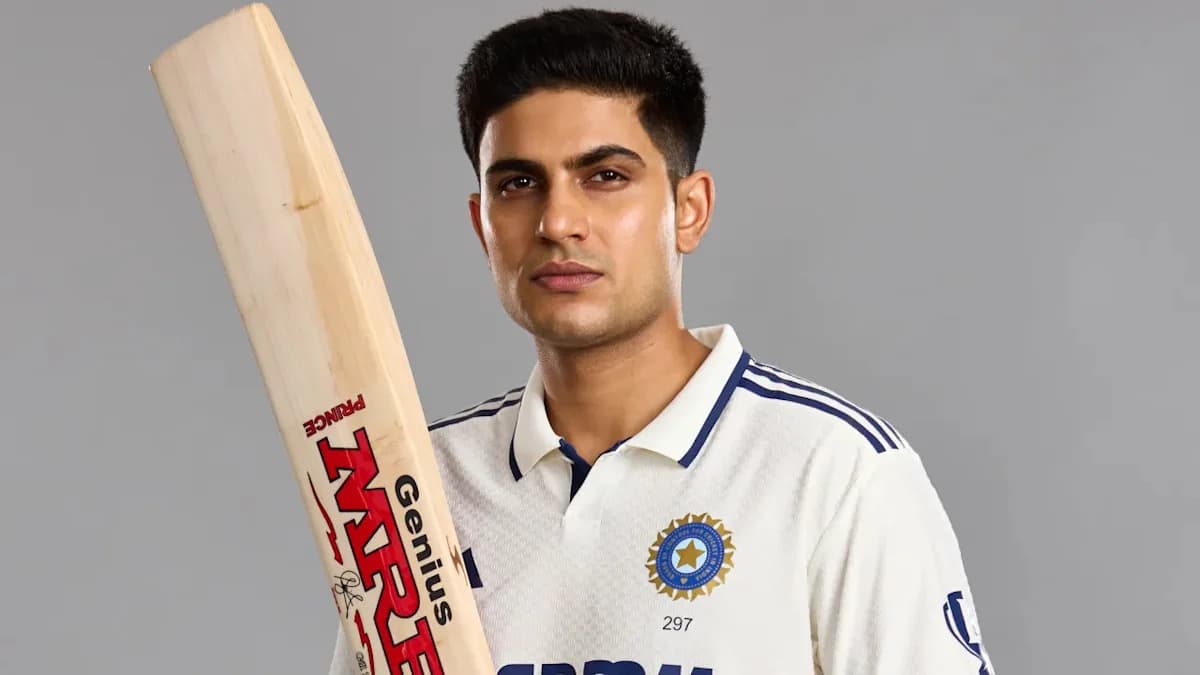
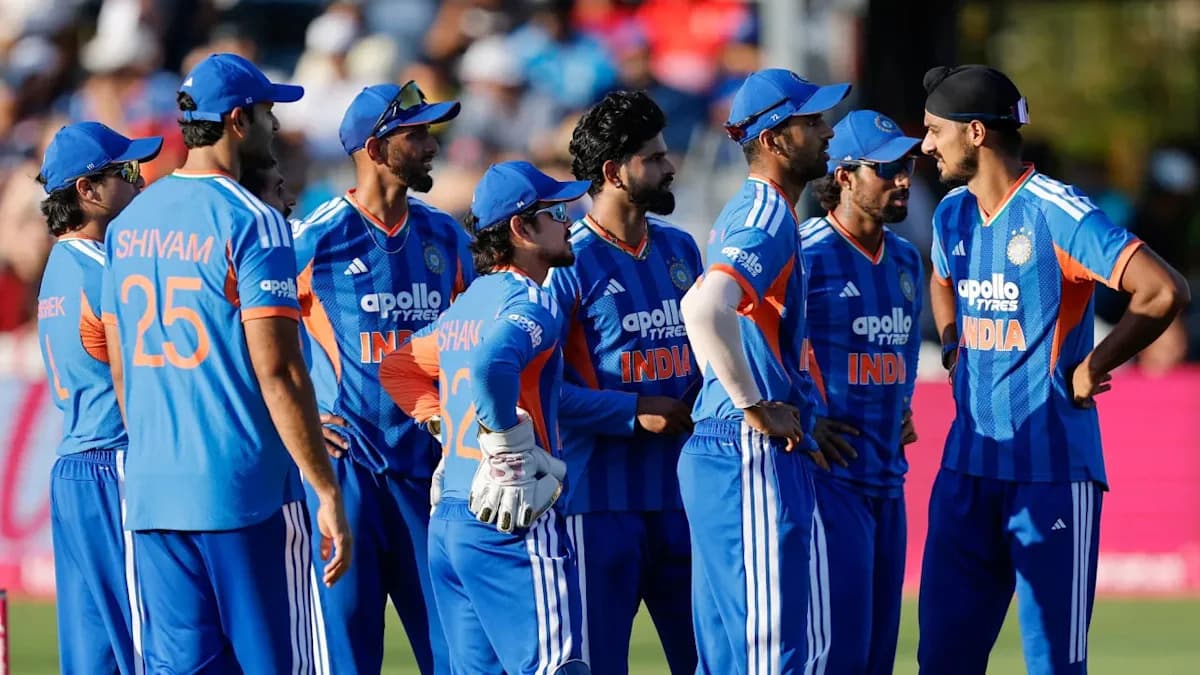
Shubman Gill stood alone at the pitch, eyes fixed on the rough patches as if they might confess something. Day 5 in Colombo, an hour gone. First drinks break. No chats, no smiles, barely a sip. India’s captain wasn’t thirsty. He was desperate.
He needed a wicket.
Sri Lanka were still miles behind, effectively 16 for 6 when the day began, but that didn’t tell the story. The scorecard rarely does on mornings like this. This was survival cricket, hour by hour, over by over, with Sonal Dinusha at the heart of it, batting like a man who had nowhere else to go.
A Different Day 5, A Familiar Knot
India had been here already on this tour. In Galle, Dhananjaya de Silva and Dinusha had dragged the game into uncomfortable territory before India finally prised it open. That final day had been simple in theory: bowl Sri Lanka out, win the Test. No chase, no weather charts, no mental arithmetic over overs left.
Colombo was a different beast. Here, every decision had a double edge. Attack to get wickets, and you risked leaking runs that would stretch the target. Pull the field back, and you watched precious time disappear, with rain lurking as an uninvited twelfth man. Every ball carried not just the weight of the moment, but the weight of what would follow.
Gill knew it. You could see it in the way he moved, in the restless energy between deliveries. India needed everything: more wickets, more effort, more luck. Sri Lanka needed only one thing: time.
Most of that time belonged to Dinusha.
Gill Throws the Book at It
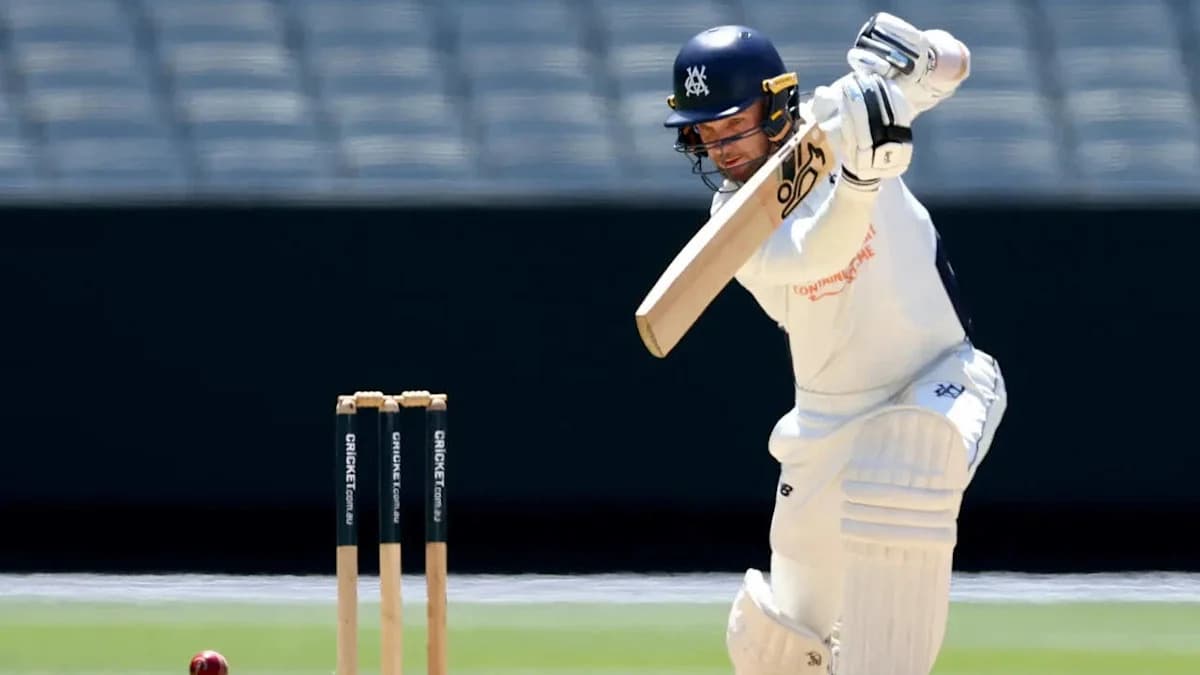
From the first over, Gill emptied his Test-match notebook. Spinners came in short, sharp bursts, their fingers protected, their revolutions preserved. Pacers were pushed into hostile plans: short balls, men under the lid, short leg and leg gully prowling for the mistake that never quite came.
Gill never stopped moving. He walked with the bowlers, spoke between balls, shuffled fields ball by ball. It was captaincy at full volume. But as Sri Lanka’s resistance grew, his shoulders dipped a touch, his walk slowed a fraction. The body language told its own tale: the longer Dinusha stayed, the more India’s grip loosened.
Still, Test cricket never releases you until it’s ready. Just after Lunch, the door opened a crack. Manav Suthar found the edge of Nuwantha, Dhruv Jurel swallowed the chance at second slip, and India had a spark.
For the next two hours, that spark refused to become a fire.
Dinusha’s Game of Chess
From that moment until Tea, the contest narrowed into a duel between India and Dinusha, with Prabath Jayasuriya as the unwilling piece India kept trying to drag into the firing line.
India had seen enough of the left-hander at No. 6 to understand the equation. Dinusha was the key. Remove his partners, and the Test might still be theirs. So they hunted Jayasuriya. Fields swung dramatically whenever he was on strike. Bowlers adjusted lengths, lines, even angles, just to make sure he faced as much as possible.
On the rare occasions Dinusha took strike for the sixth ball of the over, the quicks went wide of leg stump, almost conceding the delivery to deny him a single. It became a delicate, almost obsessive game of strike management.
Dinusha, calm and stubborn, kept winning it.
Suthar tried something different, almost theatrical. The left-arm spinner ran in from over the wicket on a diagonal, cutting across between umpire and stumps, delivering from an odd, uncomfortable angle. It looked funky, it looked inventive, it looked like the sort of thing a team tries when the usual plans have been exhausted.
It didn’t work.
Soon, even superstition crept in. Mohammed Siraj walked up to the stumps and performed the now-familiar bail switch, as if a tiny change in woodwork might trigger a twist in fate. Nothing moved.
Luck, Turn, and a Tail That Refused to Fold
Sri Lanka’s lower order rode their luck, but they earned their scars too. The ball gripped and turned big, but always seemed to miss the edge by a whisper. Jayasuriya lasted 28 balls, doing just enough, just long enough, to drag the innings forward. Lahiru Kumara went even deeper, digging in for 90 balls beside Dinusha.
Those 90 balls hurt India more than any boundary.
The turn off the pitch was slow, not spiteful. That gave Dinusha the confidence to sweep on his own terms, premeditating without panic. It gave the tail the security to commit forward, trusting that the ball wouldn’t explode past the bat. Every over they survived was another dent in India’s resolve, another question for Gill’s captaincy.
And the questions came.
"It gets very frustrating," Gill admitted later, speaking not just about the day, but about the burden of Test captaincy itself. "Then you start questioning, was follow-on the best decision? Was it not? But then you kind of have to go back in the moment and see, what can I do? Did I take the best decision in that moment? Yes, I did. Then you can't do anything about it, you have to keep trying your best and I think we did that. We tried all that we could."
It was an honest reflection from a young captain learning the hardest lessons in the hardest format.
When the Game Belongs to Someone Else
This wasn’t simply a story of a pitch that went flat or bowlers who ran out of ideas. The truth sat somewhere in the middle. India tried, tinkered, and toiled. The conditions didn’t collapse in their favour, but they didn’t fully betray them either.
Every Test career has its Ovals and its Galles, days when the script follows the plan and the final act arrives on cue. It also has its Colombos. Days when an opposition player reads the surface better, wears the pressure longer, and bends the match to his will.
On this day, that player was Sonal Dinusha.
For a captain, those days cut deep. They force you to swallow pride, to accept that sometimes the best you can do isn’t enough, because someone else has mastered the moment.
Gill did exactly that. He walked off not just with frustration, but with the quiet recognition that in Colombo, the game had belonged to Dinusha.