Sophia Dunkley’s Dominant Century Guides England to Total Against Ireland
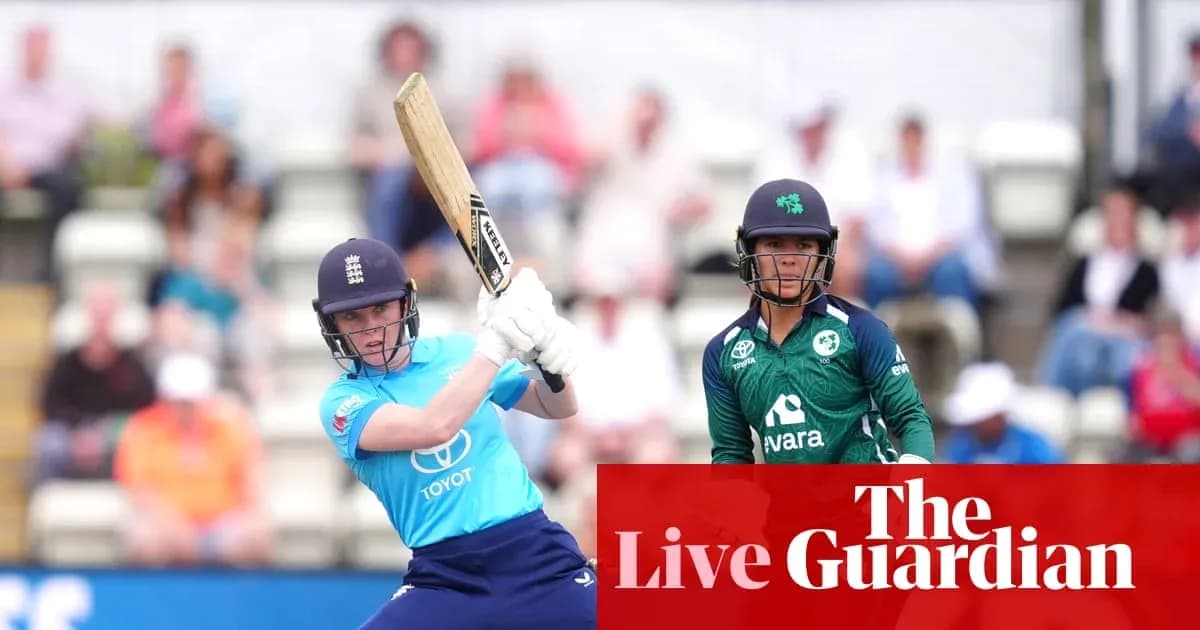
Sophia Dunkley’s commanding century lit up New Road as England’s batters surged, stuttered and then scrambled their way towards a hefty total against Ireland in a one-day international marked by flair, frustration and one farewell cameo with the ball.
Dunkley’s slow burn to domination
For a long stretch, this was Dunkley’s stage alone. She began carefully, almost cautiously, then tightened her grip on the innings until Ireland could barely shift her.
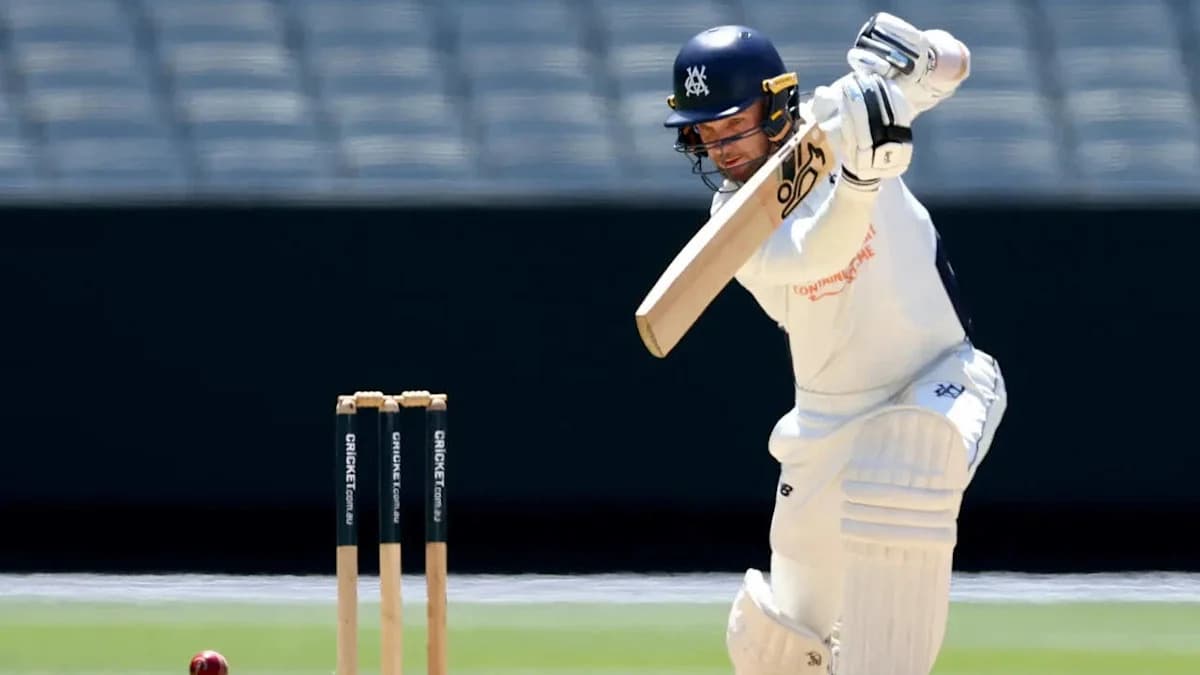
Her hundred arrived in style in the 29th over. A single from Seren Smale’s replacement, Hollie Grewcock, put her on strike against Arlene Kelly’s new-ball partner Cara Murray’s fellow seamer, Jane Little. Dunkley adjusted her helmet, rode a not-quite-short ball, then pulled emphatically to move into the 90s. Another firm pull took her to 99. The next nudge into the off side sealed it: a second international century, brought up off exactly 100 balls.
Helmet off. Bat raised. A brief, visible wave of emotion. She had turned a slow start into a gorgeous, dominant innings.
By then, England were 173 for 1, Dunkley on 100 and Grewcock 29, the pair having calmly built a platform that looked set to launch England well beyond par.
Grewcock grows, then goes
Grewcock’s own knock built in miniature what Dunkley’s did over the long haul. Early on, she struggled to find the boundary, grafting her way into the 20s without a four. When it finally came in the 24th over, it was worth the wait: a classical on-drive, perfectly timed, her first boundary from her 26th ball. Dunkley followed it with a back-foot carve past cover, and England eased to 141 for 1.
From there, Dunkley accelerated. She collected boundaries with authority – a crouched cut off Kelly for her 11th four, a slower ball flogged through long-off, a hoe into the leg side as she marched into the 90s. Ireland’s seamers and spinners alike felt the weight of her bat.
Grewcock joined in. A checked drive for four in the 30th over underlined her growing confidence, and England, at 181 for 1, were cruising.
Then came the break.
In the 31st over, Grewcock shuffled to meet Murray, only to spoon a return catch back to the bowler, who stooped to take it low by her ankles. Out for 35, just as she had begun to look fully at ease. England 183 for 2, and a promising stand broken.
Capsey’s rotten luck
Alice Capsey, promoted and entrusted with the gloves, barely had time to settle before misfortune struck.
She worked McCartney into the leg side to bring up England’s 200 and moved safely to the non-striker’s end. Dunkley then drilled a straight drive back at the bowler. McCartney, in big sunglasses and with that long ponytail trailing behind her, instinctively stuck out a hand. Just the tip of a thumb on the ball – but enough. It deflected onto the stumps with Capsey out of her crease.
Run out for 10. A stinker. England 200 for 3, and the innings suddenly had a jagged edge.
Dunkley, though, kept going. She reverse-swept Murray for three, nudged singles, and with Freya Kemp joining her, England moved past 210. Overnight rain had left the New Road outfield lush and green, but Dunkley’s placement kept the scoreboard ticking.
The end of a masterpiece
Every innings, however assured, must end. Dunkley’s did on 119, and it took a tall, calm presence on the rope to finish it.
On 214 for 3, she went for her first six, aiming to clear deep midwicket off Cara McBride. It was a clean strike, a beautiful shot, but it picked out Orla Prendergast, Ireland’s tallest fielder. She balanced herself serenely on the boundary edge and completed the catch. Dunkley walked off to warm applause after 119 runs that had underpinned everything.
Ireland had their opening. England were 214 for 4, and the mood shifted.
Kemp and Gibson turn the screw
If Dunkley had been the sculptor, Kemp and Danielle Gibson arrived with sledgehammers.
Kemp announced herself with a majestic cut that benefited from a slip on the boundary, racing away for four. She stood tall, then sank low, whipping Little through the covers for another boundary in the 39th over – a shot as striking as anything Dunkley produced.
Gibson took a little longer to ignite, but when she did, Ireland felt it. A cross-batted four over backward point after a fumble in the field signalled her intent. The 40th over ended with England 242 for 4 and ten overs left, the platform still solid despite the loss of their centurion.
Ireland’s fielding wobbled. Another misfield at backward point. A missed run-out chance at mid-off when Kemp chanced a risky single and would have been gone with a direct hit. Six singles off McBride in the 41st over, England quietly edging to 248 for 4.
Then the tempo rose again. Gibson launched McCartney over long-off for the first six of the innings, clubbing the ball like a caveman on an away day. Kemp continued to find gaps and, crucially, the rope.
By the 42nd over, England were 256 for 4, Gibson on 25, Kemp 22. The death overs beckoned. Ireland needed something special.
Murray drags Ireland back
That something arrived in the shape of Cara Murray, who refused to let England disappear into the distance.
First, she tempted Kemp. On 23 from 21 balls, the left-hander strode down and launched Murray high into the sky. For a moment it looked gone, out of the ground. Instead, it dropped on the very thread of the rope at deep midwicket, where Gaby Lewis flung herself back and clung on brilliantly at full stretch. A superb catch. England 260 for 5.
Murray wasn’t finished. Still in the 43rd over, she tossed one up to Charlie Dean. Dean’s first ball, a full toss, disappeared for four. Her second scoring shot would be her last. Given plenty of air, the ball drew a nibble and an edge, and Amy Hunter took the catch. Dean gone for 4. A double-wicket over. England, once serene, now 264 for 6.
The wobble continued. In Murray’s next over, Villiers advanced and lofted tamely to deep midwicket, another gentle offering accepted by the boundary rider. Out for 3. England 270 for 7 and, for the first time, properly faltering.
Gibson fights on as wickets tumble
With the innings in danger of unravelling, Gibson held firm.
She cut McBride late and square for four in the 46th over, finding a rare boundary as Ireland’s spinners and seamers tightened their grip. McCartney finished with a disciplined spell – one for 53 from her 10 overs – as England failed to find the rope in the 44th over and nudged along instead.
Gibson, though, refused to retreat. She moved into the 40s with a blend of hard running and selective aggression, including a deft ramp for four to close the 47th over, executed with real style.
At the other end, the procession continued. Ryana MacDonald-Gay, having slog-swept just out of Gaby Lewis’s reach early in her stay, tried to muscle Kelly down the ground. Instead, she heaved to long-on and picked out Murray, who accepted the catch. MacDonald-Gay gone for 7. England 288 for 8, and Kelly, on her farewell appearance, had her moment.
Gibson stood unbeaten, 41 to her name, as partners came and went. She had arrived with Dunkley’s masterpiece still drying on the canvas and finished as the late-order anchor, guiding England towards a total that, for long stretches, looked like it might be even bigger.
Ireland’s bowlers, led by Murray’s late surge and McCartney’s control, clawed back ground that Dunkley and company had threatened to take away from them entirely. The question now is simple: did England do enough, or will those late stutters give Ireland a chase they quietly fancy?