Stephen Fleming's Vision for England's Test Cricket
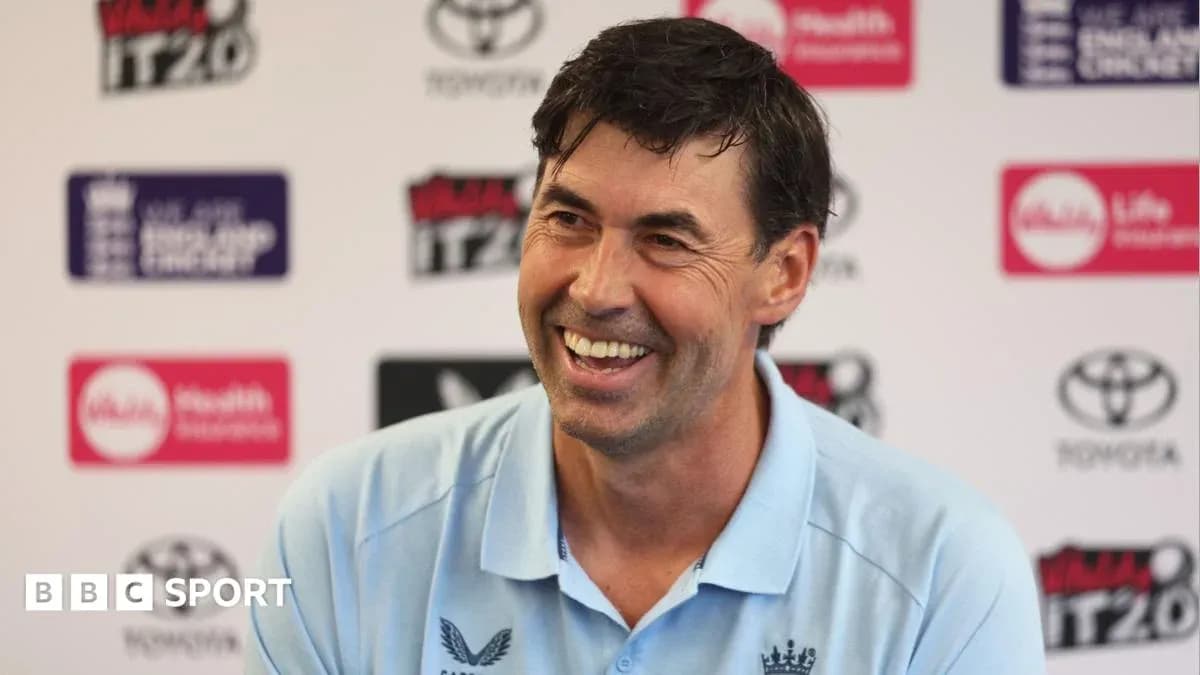
Stephen Fleming walked into his first media briefing as England’s new Test coach with a simple message and an old rivalry burning in his eyes.
“I want to beat the Aussies.”
No hedging. No soft landing. Just the Ashes, front and centre.
A New Voice, Same Obsession
Fleming, appointed in July and set to take charge for the first time on December’s tour of South Africa, made it clear he shares what he called English cricket’s “obsession” with Australia. For a man who captained New Zealand, the “little cousin” to their trans-Tasman neighbours, the fixation runs deep.
Asked whether England care too much about the Ashes, he brushed it away.
No, because I have an obsession with it as well. New Zealand has an obsession with it, we love it. We want to beat the Aussies.
England haven’t won an Ashes series since 2015. The scars of last winter’s 4-1 hammering in Australia are still fresh. Next summer’s series in the UK looms as a chance at redemption, and Fleming wants to be right in the middle of it.
“We’re heavily linked to England performances. We have a deep desire to beat Australia in everything, as the little cousin. We are linked, and I’m incredibly excited about being part of it.
“You don’t think you’re ever going to get that opportunity. To have that opportunity and be part of it, I can’t wait.”
For all his Ashes hunger, there is also a personal edge. Fleming played 14 Tests against Australia. He never won one.
From McCullum’s Chaos to Fleming’s Control
Fleming inherits a red-ball side that has lurched from exhilarating to exasperating under his close friend and business partner Brendon McCullum. McCullum remains in charge of the white-ball teams, but his final 10 Tests as head coach brought only two victories and culminated in that brutal Ashes tour.
The criticism was familiar: a refusal to adapt, a lack of attention to detail, a team that sometimes chased romance over realism.
Fleming knows McCullum as well as anyone. He summed up the difference between them with a gambler’s line: “I’ll bet on the favourite and he’ll bet on the longest odds possible.”
There were plenty of those long-odds punts under McCullum. Fleming sounds like a man who would rather work the percentages.
On the question of “brand” cricket, he cut against the fashion.
“I don’t think so. The greatest thing for a team to do is to be able to play conditions and situations.
“I’d love people to say we are well-planned, there’s a discipline and a really strong basic structure to what we’re doing, but there’s also a bit of flair.”
That last phrase matters. Fleming is not promising a joyless grind. He is promising control, with room for imagination.
Standards, Not Slogans
England’s Test set-up has not only been chaotic on the field. Late-night drinking stories and disciplinary issues have followed them for more than a year, surviving even the change of coach.
On Friday, Derbyshire Police confirmed they had closed an investigation into England fast bowler Brydon Carse after allegations of an assault last month. Carse faces no police action but now comes under the scrutiny of the Cricket Regulator. He is still eligible for selection, though he has not featured in any squad since the Derby incident.
Fleming did not duck the subject.
“There are standards. We pick on runs and wickets primarily, but I think it’s foolish not to also say there are standards that need to be set.
“You need to behave in accordance with your position. We’re in a very privileged position, and it’s understanding that privilege and what goes along with it. It can’t be convenient.”
The key line came next.
“You’ve got to live it every day. If we can create something when you want to live it every day and better, then that’s really powerful.”
For some players, that will sound like a warning as much as a philosophy.
Calm Authority, Quiet Edge
Almost two months after his appointment, this was the first real glimpse of what “Fleming’s England” might look like. The tone was calm, measured, authoritative. The performance suggested the grown-up has arrived after a wild, thrilling, and sometimes reckless party.
There were lighter touches. Fleming joked he has a “stress fracture of the left ear” after the volume of calls from people connected with the England team. He laughed about occasionally turning up in fancy dress with Chennai Super Kings to loosen the mood.
The sense of humour is there. So is the steel.
He dismissed any notion of a catchy label for his tenure. When “Flemball” was floated, it was brushed away as a “medical condition”.
What he does want is a side that respects the rhythms of Test cricket and the World Test Championship, a competition England have often treated as an afterthought. He has already visited several counties, watched England beat Sri Lanka in the third T20 at Old Trafford and sat down with key figures, including Ben Stokes.
Stokes Stays Retired
Stokes retired from international cricket in July. The all-rounder has history with Fleming from their time together at Chennai Super Kings, but the new coach made it clear he will not be the one nudging him back.
“He was in a great space, really happy, enjoying his time with Durham,” Fleming said.
“He’s got a good winter planned with the family and is very much at peace with his decision. When a player makes that decision to retire, I respect that decision 100%.
“To try to turn that around and question that is wrong. I know how much goes into that type of decision, and I respect that.”
No pressure. No emotional tug-of-war. Just a line drawn and respected.
A Different Kind of Revolution
The contrast with McCullum’s freewheeling reign is stark. One senior figure described the Fleming–McCullum dynamic as “big brother”. It fits. The younger sibling lit the fire, pushed boundaries, took outrageous risks. The elder one walks in now, tidies the room, keeps the best ideas and bins the excess.
On this evidence, Fleming’s England will be more assured, more structured, more mature. Perhaps less chaotic. Perhaps less fun.
But fun has never been the point of Test cricket in England. Winning is.
The first real judgement comes in South Africa in December. Then the Ashes, and that long-held obsession, will be waiting.