Steve Smith Reflects on Sandpapergate as Australia Returns to South Africa
Steve Smith still hears it.
Not the jeers from the stands or the taunts from opposition fans. The camera flash. The rapid-fire click that followed him through Johannesburg airport and then into that raw, broken press conference in Sydney.
Six years on from ‘sandpapergate’, as Australia prepare for their first Test series in South Africa since the scandal exploded in 2018, Smith admits the trauma has never fully left.
“I’m not a big fan of cameras, I get anxious around cameras,” he told News Corp in an interview published on Thursday. “That was a traumatic experience in my life and when I hear the flash of a camera it makes me revisit that, in a way.”
Australia’s return to South Africa drags that period back into the light. The last time they played a Test series there, Cameron Bancroft was caught on camera rubbing sandpaper on the ball during South Africa’s second innings of the third Test. By the next day, the story had detonated into a global scandal.
Bancroft admitted he had tried to alter the condition of the ball. Captain Steve Smith then conceded he knew about the plan. The fallout was immediate and brutal.
Smith was stripped of the captaincy and banned for a year by Cricket Australia. Vice-captain David Warner received the same sanction, while Bancroft was hit with a nine‑month suspension. Australia’s then prime minister Malcolm Turnbull said the affair had “bitterly disappointed the whole nation”. The team’s reputation, and Smith’s own, lay in ruins.
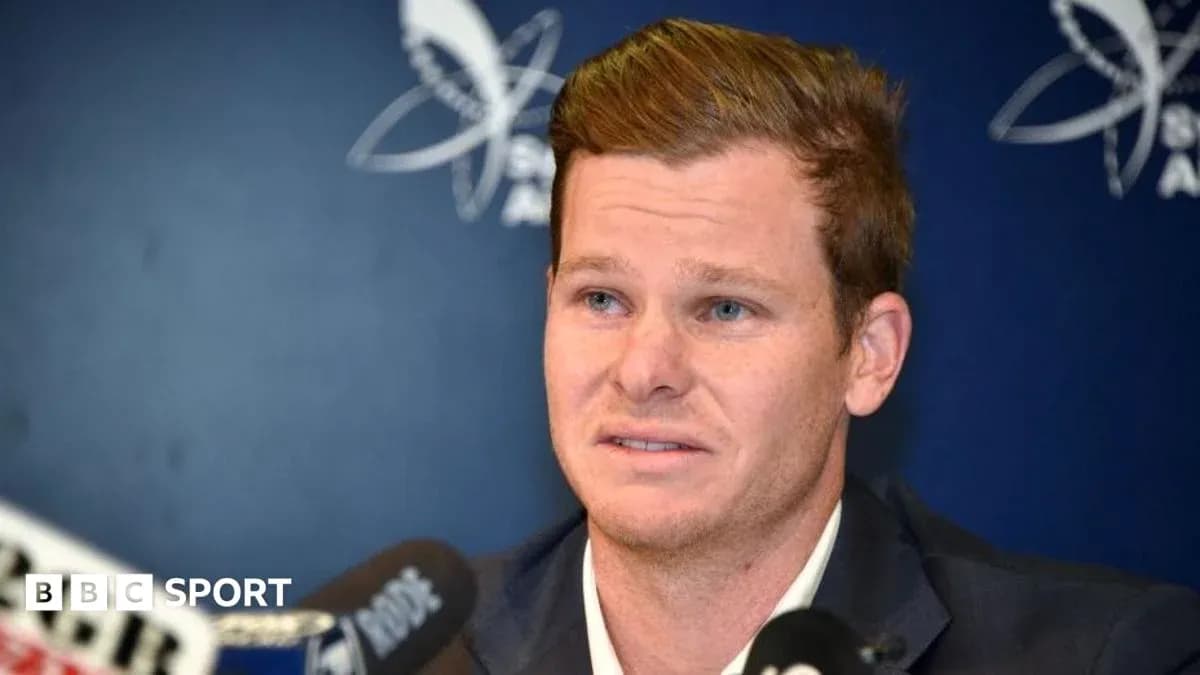
The images of Smith sobbing at Sydney airport became the defining snapshot of the saga. He had already endured a hostile, chaotic exit from South Africa.
“The 24-48 hours after being told by James Sutherland that I was getting banned for a year, going through the airport in Johannesburg getting absolutely mobbed, and then flying back and doing that press conference... I still have little flashbacks here and there of it,” Smith said.
“I felt like I was kind of thrown to the wolves through [Johannesburg] airport. I didn’t have any support there at all.”
Those are not the words of a man who has neatly filed away the past. The 37-year-old describes a mental state that, at the time, dipped into dark territory.
“It was certainly a difficult period, particularly the initial few days after,” he said. “The mental state I was in was not great.
“That’s somewhere I’d like not to get to again, but I certainly learned from that and have been able to move forward with my life.”
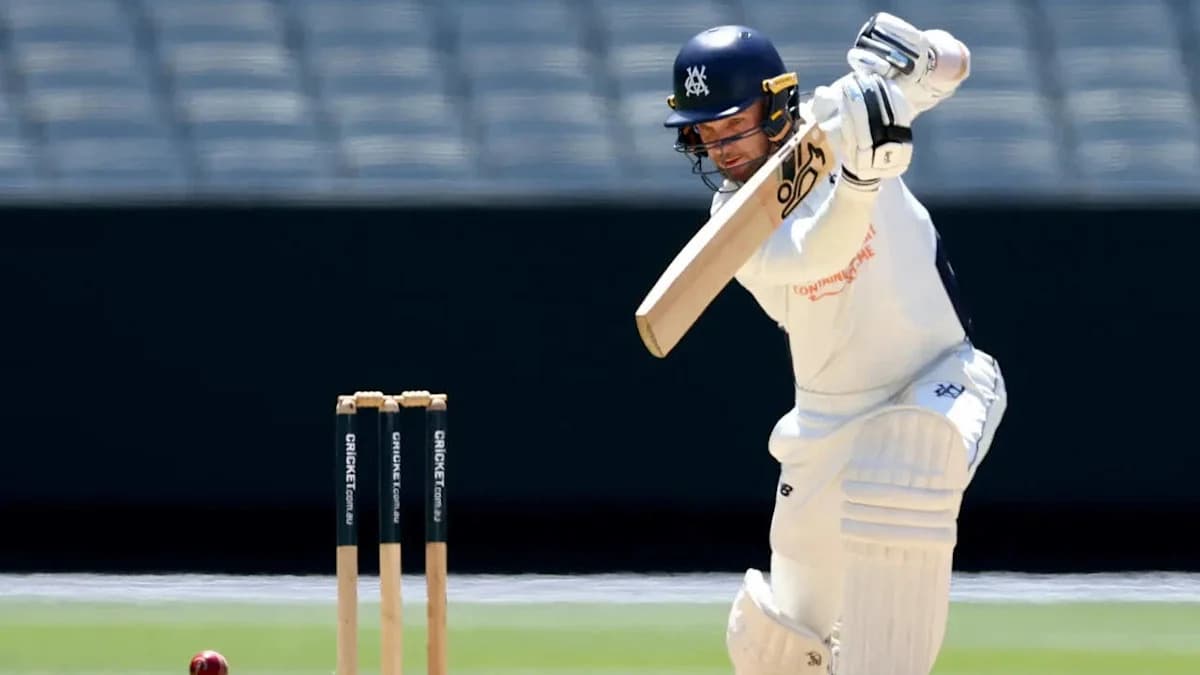
Moving forward has been done the hard way, with runs rather than rhetoric. Smith returned to the national side in 2019 and quickly reasserted himself as one of the premier batters in world cricket, stacking up scores with the same relentless precision that defined his pre-ban career.
After serving a two-year leadership ban, he was restored to the inner circle, named Test vice-captain ahead of the 2021-22 Ashes and stepping in as captain when Pat Cummins has been unavailable. The trust, at least inside the dressing room and boardroom, has been rebuilt.
Publicly, the scars remain. Smith admits he has tried to wipe much of that 2018 tour from his memory.
“I’ve tried to kind of erase a lot of 2018 and what happened,” he said. “I can’t remember a lot about the series. I’ve tried to block most of it out of my memory bank.”
He has been back to South Africa once since, for a one-day series in 2020. He has also walked into some of the most hostile environments cricket can offer, particularly in England during multiple Ashes tours, where the sandpaper chants have become part of the soundtrack.
“It’s something I’m kind of used to,” Smith said. “I’ve copped a lot at times away from home, at different venues across my career, and it’s something that I take in my own stride.
“I use it as motivation to try and go out and do well, and try and take a positive from it.”
So Australia go again in South Africa, this time for a three-Test series starting in Durban on 9 October. The teams have changed, the stakes are different, but the backdrop is impossible to ignore.
For Smith, it is not just another tour. It is a return to the country where his career almost ended, where a captaincy vanished in disgrace, and where the sound of a camera shutter still echoes louder than any crowd.