Tilak Varma's Role in India's T20I Resurgence
India’s T20I reset is back on the road, but one question refuses to go away: where, exactly, does Tilak Varma fit?
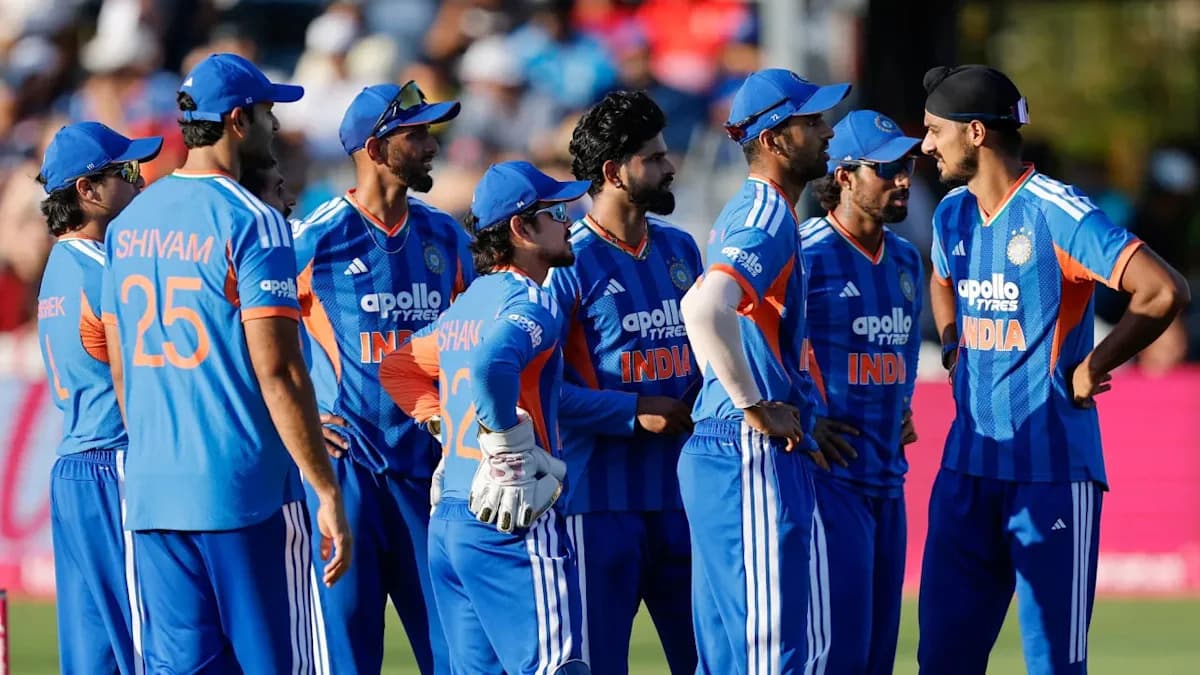
A three-match series against Afghanistan, starting September 13, offers India a chance to steady themselves in the format after a wildly uneven stretch. Under Shreyas Iyer, they stumbled through six straight defeats to Ireland and England before finally stitching together a 3-0 sweep of Zimbabwe. The results have swung. The batting order has, too. The search for clarity continues.
A vice-captain without a fixed address
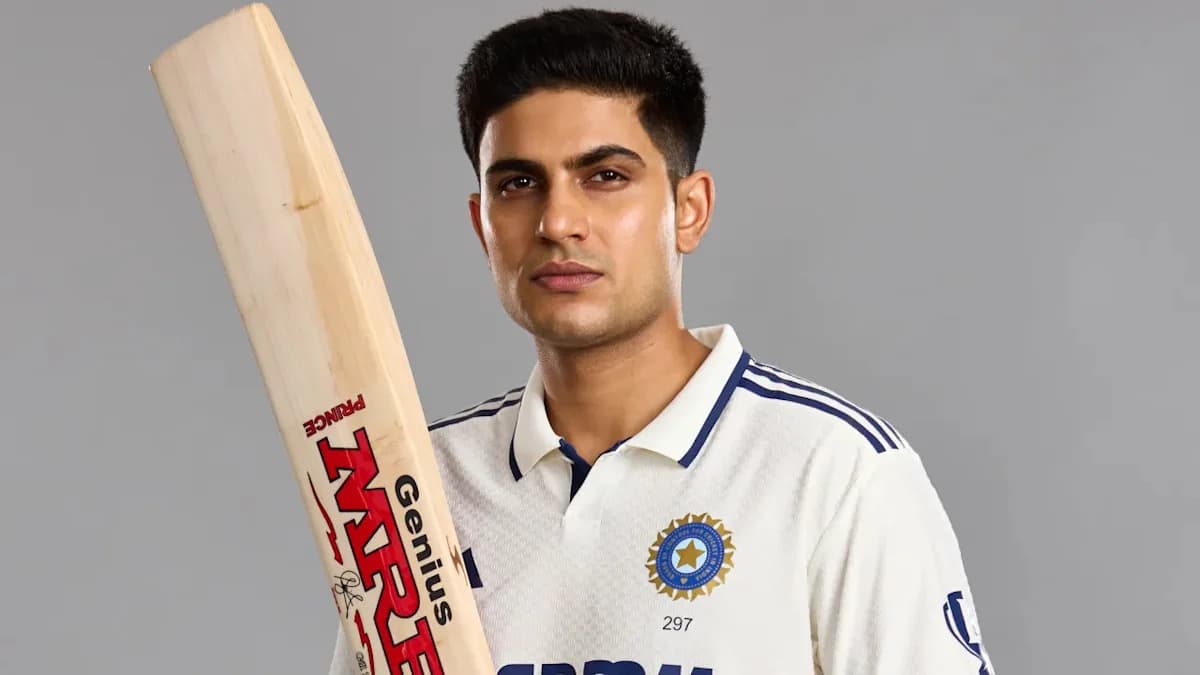
Tilak Varma is officially vice-captain. On paper, that signals trust and long-term investment. On the field, his role still feels like a work in progress.
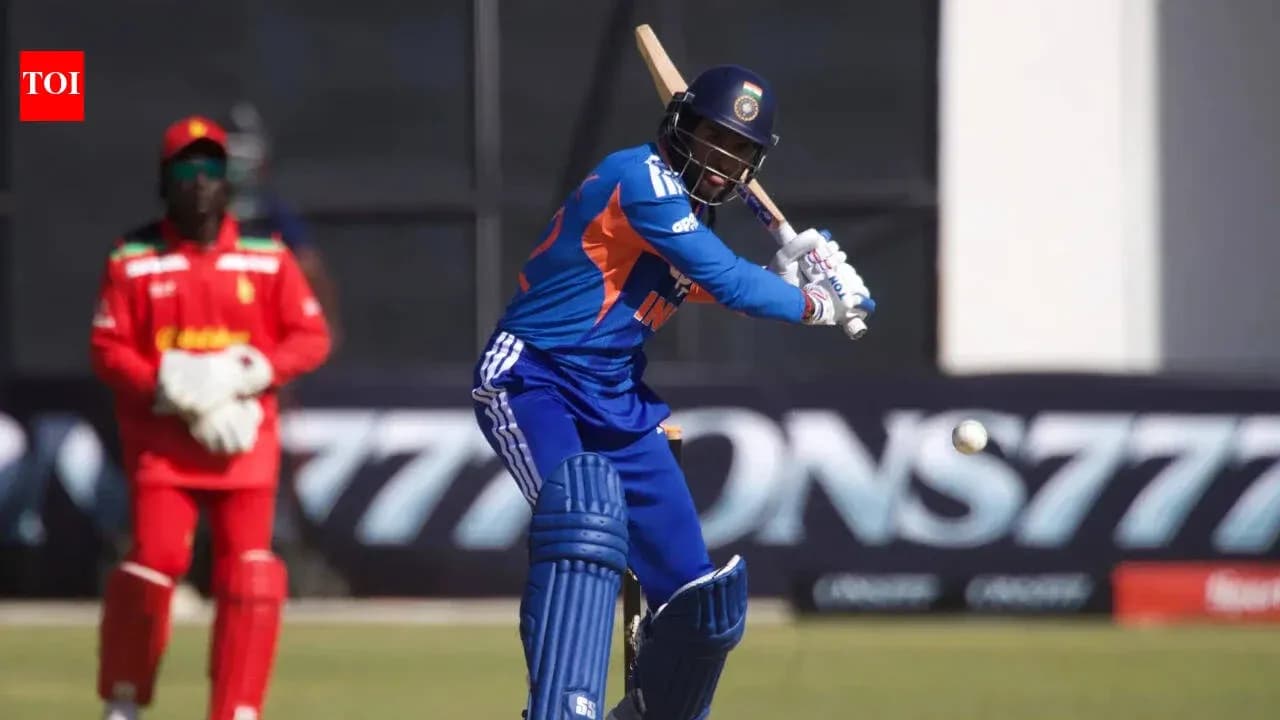
Since the 2026 T20 World Cup, the left-hander has piled up 255 runs from 10 innings at a strike rate of 159.36, with three half-centuries. Those numbers jump off the page. They suggest a young batter exploding into international T20 cricket.
Look closer, and the story is more complicated.
One of those fifties came in the recent Zimbabwe series, another in the fifth T20I against England, after India had already surrendered the series. The runs are there, but the timing and context of those contributions mean his overall returns look more convincing than his body of work across the entire period. His tour of the UK in particular exposed an uncomfortable pattern: flashes of brilliance, followed by stretches where he struggled to impose himself.
That inconsistency is exactly why his place in the order has become such a hot topic heading into the Afghanistan series.
AB de Villiers sounds the alarm on balance
AB de Villiers, who knows a thing or two about juggling roles in a power-packed batting unit, sees a potential headache for India.
Speaking on his YouTube channel, the former South Africa star laid out the congestion in India’s top and middle order: Shreyas Iyer as captain, Ishan Kishan, Sanju Samson, Abhishek Sharma, Vaibhav Sooryavanshi, plus a cluster of all-rounders. Somewhere in that traffic, Tilak Varma has to find a lane.
“There will definitely be some selection issues with regard to the batters,” de Villiers said, highlighting Tilak specifically as the tricky piece. His central question was simple and pointed: where will Tilak bat?
That is not a question about talent. It is a question about identity. Is Tilak a powerplay aggressor? A stabilising No. 3? A middle-overs enforcer against spin? A finisher? India have tried to use him in multiple roles. The price has been a lack of rhythm, both for the player and the batting unit.
De Villiers praised the “really, really strong squad” India have assembled, but he did not gloss over the challenge. In his view, India have enough quality to handle Afghanistan, yet he underlined one non-negotiable: role clarity. Against a side he called “quite a dangerous team”, India cannot afford to improvise their way through the series.
A crowded dressing room, a narrow runway
The names alone tell you how tight the squeeze is. Shreyas Iyer, Ishan Kishan, Sanju Samson, Abhishek Sharma, Vaibhav Sooryavanshi. Then the all-rounders waiting to be slotted in around them. Every one of them expects game time. Every one of them has a preferred role.
For the management, the task is no longer just about picking the “best” players. It is about assembling a batting order where each role is clearly defined and actually suits the player tasked with it.
India’s recent run shows what happens when that doesn’t quite click. Six straight T20I defeats to Ireland and England exposed a side still feeling its way in the post-World Cup landscape. The 3-0 win over Zimbabwe restored some confidence, but it did not fully answer the structural questions. Was that sweep the start of a new, coherent phase, or just a brief correction against weaker opposition?
That is why Afghanistan loom larger than the fixture list might suggest. They are dangerous enough to punish confusion, organised enough to expose a muddled plan.
Afghanistan, Japan, and a wider T20 horizon
This series is not an isolated assignment. It is the next step in a broader T20I campaign that will soon take India into a historic T20I against Japan and then into the Asian Games 2026.
The calendar offers opportunities to experiment. T20 cricket allows for rotation, rest, and tactical shuffles. De Villiers himself acknowledged that India can “play around with the squad a little bit.”
But the luxury of experimentation comes with a warning label. Constant tinkering without a clear framework can blur roles instead of sharpening them. For a player like Tilak Varma, already straddling multiple identities in the XI, that risk is even sharper.
India cannot answer every question in three games against Afghanistan. They can, however, answer one crucial one: what, precisely, do they want Tilak Varma to be in this T20 side?
The vice-captain’s armband suggests he is central to the future. The batting order will reveal whether the team truly knows how to use him.