Towhid Hridoy's Landmark 350 in Potchefstroom
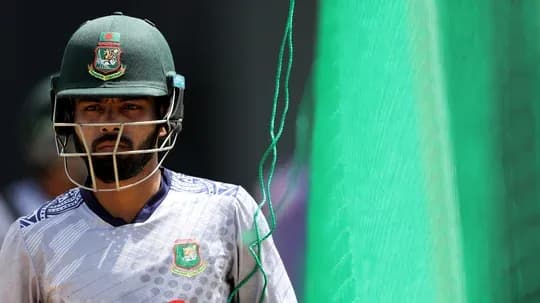
Potchefstroom has always meant something to Towhid Hridoy. In 2020, it was the place where he lifted the ICC Under-19 World Cup. Now, it is where he has rewritten Bangladesh’s first-class record books.
An unbeaten 350 against South Africa A. The highest first-class score by a Bangladeshi batter. A statement innings from a player who, not long ago, was being quietly shuffled to the margins of red-ball cricket.
From late call-up to landmark innings
Hridoy was not even supposed to be the central figure of this tour.
He flew to South Africa with Bangladesh A as part of a patchwork solution. Injuries and visa issues had hit the original squad, forcing the board to draft in reinforcements. Alongside Nurul Hasan, Rishad Hossain and Mohammad Saifuddin, Hridoy joined to make up the numbers and ensure the touring party had enough options.
At the airport in Dhaka, there was no grand talk of a four-day epic. No big declarations about Test redemption. Asked about his plans for the A series, he spoke like a man with a different calendar in his head.
He was looking at November. At the national team’s tour of South Africa. At the white-ball series against the Proteas and the ODI World Cup next year.
“The preparation is very important and as we have a national team tour and the World Cup (ODI), will try to prepare for it,” he told reporters before boarding. This trip, in his mind, was about getting used to conditions, sharpening his white-ball game, making sure he was ready when the real thing arrived.
Red-ball cricket? That door had been slammed on him before.
A Test dream cut short
Hridoy had waited more than three years to pull on Bangladesh’s Test whites after his white-ball debut. When the chance finally came, it lasted three days.
One match. One failure in the second Test of the tour of Zimbabwe in Harare. One swift exit.
He was out of the Test side almost as soon as he had entered it.
The debate started immediately. Some said he had been picked too early for the longest format. Others dissected his technique and filed him away as a white-ball specialist. Very few were willing to stand up and demand he be backed in red-ball cricket.
Officially, the message from the national selection panel was clear: breaking into the national side would be tough, but once in, players would get a fair run to prove themselves. In practice, that promise never seemed to apply to Hridoy.
So he adjusted his expectations. He focused on what he could control. He stopped looking too far ahead when it came to Test ambitions, because experience had already shown him how quickly that dream could be taken away.
A record that cannot be ignored
Then came Potchefstroom again. And a different kind of World Cup feeling.
Hridoy batted, and batted, and batted.
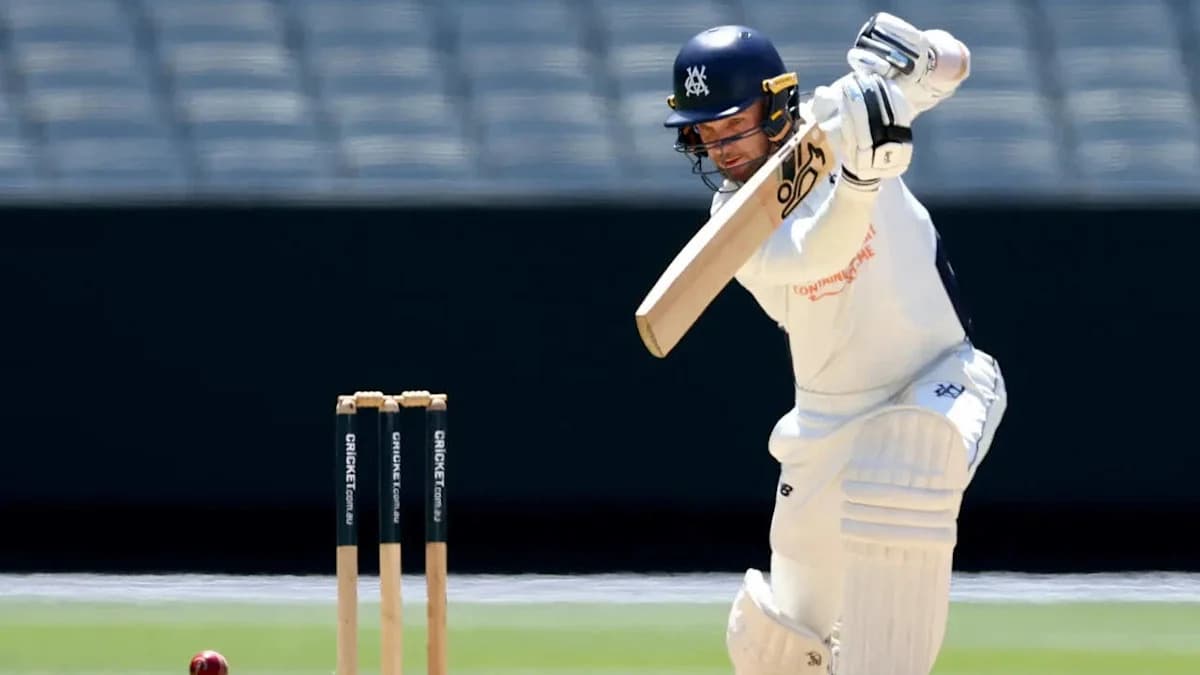
He became only the third Bangladeshi batter to score a triple hundred in first-class cricket. But he did not stop there. He moved past Tamim Iqbal’s unbeaten 334. He went beyond Raqibul Hasan’s unbeaten 313. By the time he walked off, he had 350 to his name, unbeaten, and a new national record beside it.
This was not a scratchy survival act. It was a marathon that showed range, temperament and control in conditions that Bangladesh will face again with the senior side. It was also the kind of innings that changes conversations in selection meetings.
Yet when asked about what this meant for his red-ball future, Hridoy refused to play the emotional card.
“This is not entirely my call, as a professional player I always want to do well, I have said this on many occasions before, how many matches I will play for the national team will depend on the selectors, if I get the opportunity I will try to do well,” he said after the game.
No plea. No pointed message. Just a reminder that he has done his part.
The real test lies ahead
His name will now sit at the centre of discussions before Bangladesh’s next Test series. A 350* against South Africa A, in South African conditions, is not something a selection panel can quietly brush aside.
Yet the question is no longer just whether he gets into a Test squad. It runs deeper.
If Hridoy returns to the red-ball fold, will he be trusted? Will he be given a run long enough to breathe, to fail, to learn, to grow into a Test batter rather than be judged on a single misstep?
Because this innings did more than stretch the record books. It showed what happens when he is allowed to play without the weight of constant scrutiny. He arrived in South Africa thinking mainly about white-ball preparation, not about salvaging a Test career. That lack of pressure became a blessing. It freed him to express himself, to bat long, to show a red-ball ceiling that many had doubted he possessed.
Now the burden shifts.
Hridoy has answered the questions about his ability with a landmark knock. The next move belongs to the selectors.