Who Is Recognized as the Father of Cricket? A Detailed Look
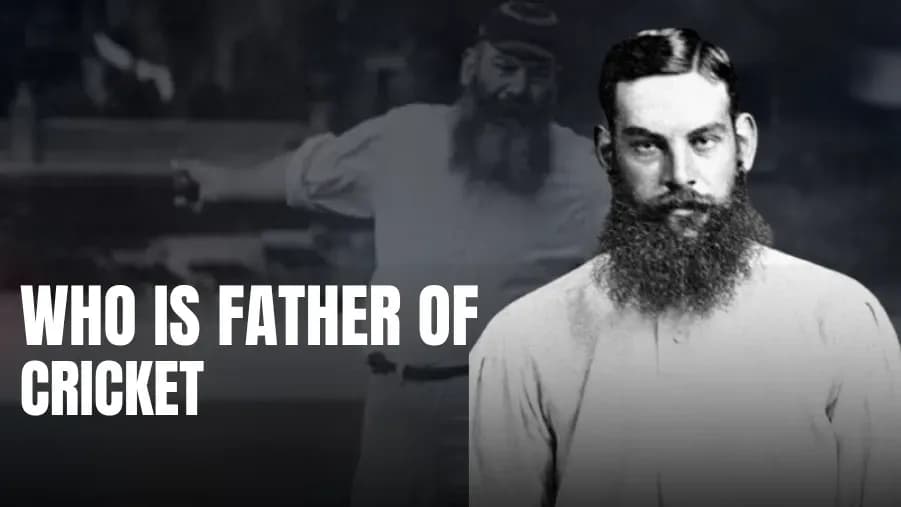
When discussing cricket's origins and its most influential figures, one name stands out: William Gilbert Grace. Often called the father of cricket, Grace transformed the sport with his batting mastery and all-around skills. Over his career, he played 22 Test matches and an astonishing 870 first-class games, accumulating more than 54,000 runs and taking over 2,800 wickets. His impact went beyond numbers; he helped elevate cricket from a simple pastime to a sport followed worldwide. Captaining England at 50, Grace set a record that remains unbroken. In India, Sir Ranjitsinhji Vibhaji Jadeja, celebrated for his signature leg glance and honored through the Ranji Trophy, is regarded as the father of Indian cricket.
Major Facts About Sir W.G. Grace
- Full Name: William Gilbert Grace
- Born: 18 July 1848, Downend, Gloucestershire, England
- Died: 23 October 1915, Mottingham, Kent, England
- Test Debut: 6 September 1880 vs Australia
- Test Matches Played: 22
- First-Class Matches Played: 870
- Runs Scored: Test - 1,098; First-Class - 54,211
- Wickets Taken: Test - 9; First-Class - 2,809
- Known For: Revolutionizing cricket through batting technique and all-round performance
- Profession: Cricketer and Physician
The Early Days of William Gilbert Grace
Born into a prominent medical family in Bristol, W.G. Grace showed his cricket talent early, supported by his father and older siblings. By 15, he was playing for Gloucestershire and competing in prestigious fixtures such as Gentlemen vs Players. Before Test cricket started in 1877, these matches were the highest level for cricketers. Grace’s rise was swift; as a teenager, he already made first-class centuries.
Grace’s Rise to Stardom
More than just a player, Grace was a cricket pioneer who brought attention and crowds to the sport with his skill and charismatic presence. Known widely in Bristol and commemorated at Lord's Cricket Ground with memorial gates bearing his name, he became a sporting celebrity. His influence helped bring cricket into the public eye during its formative years as an organized sport.
How W.G. Grace Changed the Game
Grace’s legacy isn’t only in stats but also in how he reshaped cricket globally. He introduced refined batting techniques—mastering footwork and shot selection—that set the standard for future players. His career coincided with cricket evolving from informal club matches to structured county and international contests. With his iconic beard and confident style, he embodied the sport’s transformation and popularity surge.
Cricket’s Rules and the MCC During Grace’s Era
The period when Grace played was one of significant rule changes. Overarm bowling was legalized in 1864, the same year Grace debuted in first-class cricket. The Marylebone Cricket Club (MCC), responsible for the game’s laws, grew in authority. Innovations like run-outs, follow-on regulations, and protective gear came about during this era. Grace’s sometimes bold tactics pushed boundaries, prompting the MCC to refine the rules. His mass appeal encouraged the MCC to create more formal competitions, helping cricket evolve into the sport known today.
Why W.G. Grace Is Called the True Father of Cricket
Grace earned this title not just for his impressive statistics but because he fundamentally altered cricket’s direction. His long career and consistent performance inspired generations. Off the field, his personality drew huge crowds eager to witness his play. He helped move cricket from casual games into organized, international contests. Simply put, he lived cricket and shaped its future, making him deserving of the 'Father of Cricket' title worldwide.
Legacy and Influence on Future Players
Debates may arise over who holds the fatherly title, yet Grace’s influence is undeniable. His batting style was ahead of its time and influenced countless players. His presence ignited passion among fans, filling stadiums eager to watch him perform. After retirement, his name became synonymous with excellence and set standards for generations to come.
Father of Cricket in India
In India, Sir Ranjitsinhji Vibhaji Jadeja holds the father figure status. Linked to the royal family of Nawanagar, he learned cricket in England and played for both university teams and the England national side. Known for his impeccable batting and especially his leg glance, he surpassed records including those of W.G. Grace for seasonal aggregates. Awarded Wisden Cricketer of the Year in 1896, his legacy led to the creation of the Ranji Trophy, India’s premier first-class cricket tournament, named in his honor.
Wrapping Up
Many cricket legends have left their marks, but few match the impact of W.G. Grace. His role in developing cricket as a serious, organized sport is unmatched. Modern greats like Sachin Tendulkar and Ricky Ponting owe part of their cricket heritage to Grace’s pioneering efforts. Though the sport has changed drastically, Grace remains a towering figure whose contributions continue to inspire players worldwide.
Frequently Asked Questions
- Who is the father of cricket? W.G. Grace is widely recognized as the father of cricket due to his prolific career and influence.
- Who is called the king of cricket? Virat Kohli is often referred to as the king of cricket.
- Who is known as the king of God in cricket? Sachin Tendulkar holds this title.
- Who is the prince of cricket? Shubman Gill is known as the prince of cricket.
- Who is the father of cricket in India? Sir Ranjitsinhji Vibhaji Jadeja, or Ranji, is recognized as the father of Indian cricket.
- Who is known as Mr. 360? AB de Villiers earned this nickname for his versatile batting.