Will Young Shines as New Zealand's ODI Stars Emerge
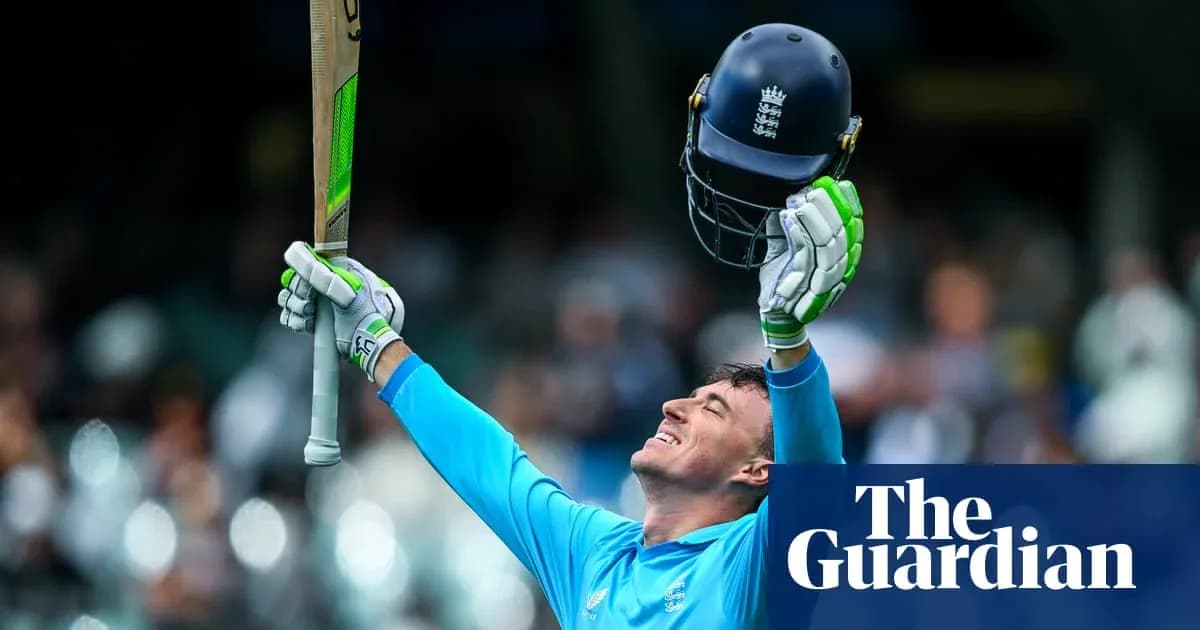
Will Young didn’t just score a hundred. He watched a storm from the best seat in the house.
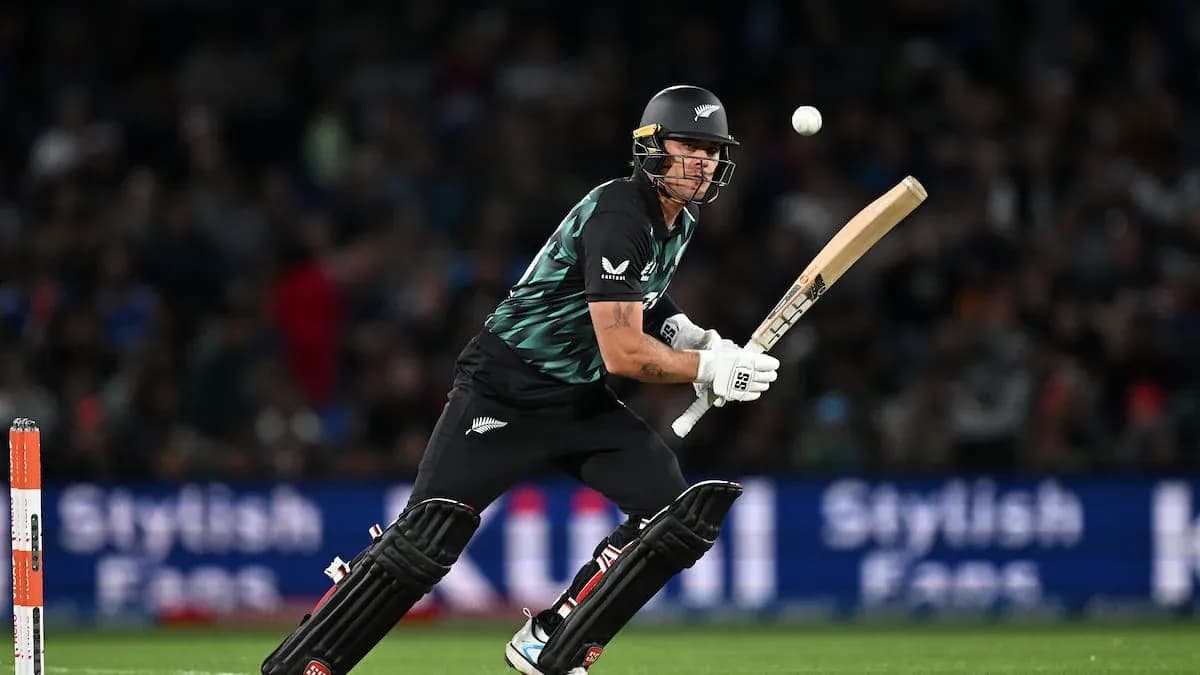
Out in the middle, Young stitched together his fifth ODI century while Tim Seifert and Finn Allen tore into the bowling around him. With Seifert he added 85 from 73 balls; with Allen, 90 from 66. Two very different partnerships, one clear message: New Zealand’s so‑called T20 sloggers are starting to look like serious 50-over operators.
“It’s brilliant having Tim and Finn in the ODI set-up,” Young said. “You can see the enjoyment and the energy they both bring to the group. It certainly rubbed off on me yesterday.”
They did more than just swing hard. That was the point Young wanted to make. “They showed the power that they’ve got, but both of them are better than ‘crash, bash’ players. They adapted to what was in front of them, built some meaningful partnerships, and it contributed to the win. It’s an exciting time having Tim and Finn in the team.”
For Allen in particular, this return to 50-over cricket feels like a calculated gamble from the selectors that might yet define New Zealand’s next World Cup cycle.
His talent has never been in question. Since debuting in 2021, Allen has carried that unmistakable aura of a man who can wreck an attack from ball one. Earlier this year he blasted a 33-ball century against South Africa, dragging New Zealand into the T20 World Cup final in India and turning himself into the most expensive signing in Big Bash League history.
That sort of innings makes headlines. His overall record gives his critics plenty to cling to.
Allen’s high-risk method will never scream consistency, and his numbers don’t leap off the page in the way some demand. But cricket careers are not built solely in spreadsheets. They hinge on moments.
In 2022, at the T20 World Cup in Sydney, New Zealand opened against hosts Australia. Allen walked out, swung hard, and smashed 42 from 16 balls, with five fours and three sixes. He didn’t reach fifty. Statistically, it was just a brisk cameo. In reality, it detonated Australia’s title defence. New Zealand won by 89 runs; the hosts never recovered in the tournament.
That is the kind of damage his teammates understand.
Now Allen is operating at No 5 in a depleted ODI line-up, a role that demands more nuance than simply going from the start. Yet the dressing room knows the threat he carries and what that could mean over the next year if this experiment holds.
“There’s no doubt, he’s got such a high ceiling,” Matt Henry said. “He’s been such a good cricketer. It’s a good place for us to be in, we’ve got guys getting experience in different positions – it’s great for him. He’s hitting the ball cleanly as well, it’s exciting.”
Exciting, but far from settled.
With 15 World Cup spots on offer for next October’s trip to South Africa, Zimbabwe and Namibia, both Seifert and Allen still have a long chase ahead if they want to be on that plane.
Seifert’s path is brutally narrow. To open in ODIs he must elbow aside established names: Rachin Ravindra, Devon Conway and Young himself. Allen faces a similar squeeze at No 5, a slot usually owned by Tom Latham and often reserved for the wicketkeeper-batter who glues the innings together.
There is also the looming vacancy at No 3 after Kane Williamson’s retirement. It is a rare opportunity in New Zealand cricket: the most coveted batting position in the side suddenly open. Either Seifert or Allen could be remodelled into that role if the selectors decide to be bold.
The glare, though, still falls most easily on the T20 fireworks. The short format makes stars overnight; the 50-over game often rewards the quieter craftsman. Young, now a mainstay of the ODI set-up, sits somewhere between those worlds – and he has no interest in fretting over who might take his place.
“The best thing about this team is it’s all about contributing to team success, rather than looking over your shoulder to see who else is doing well,” he said. The competition is real, and he knows it. “But it is an important series, and there’s a couple more as well leading up to the World Cup to try and stake your claim – but the most important thing is being a good team man and trying to contribute in different ways towards the team success that’ll get you on that plane.”
For Seifert and Allen, that plane is still a distant speck on the horizon. Performances like this, wrapped in power but underpinned by control, drag it a little closer.