Windhoek Hosts Unique T20I Tri-Series: Namibia, South Africa, Zimbabwe
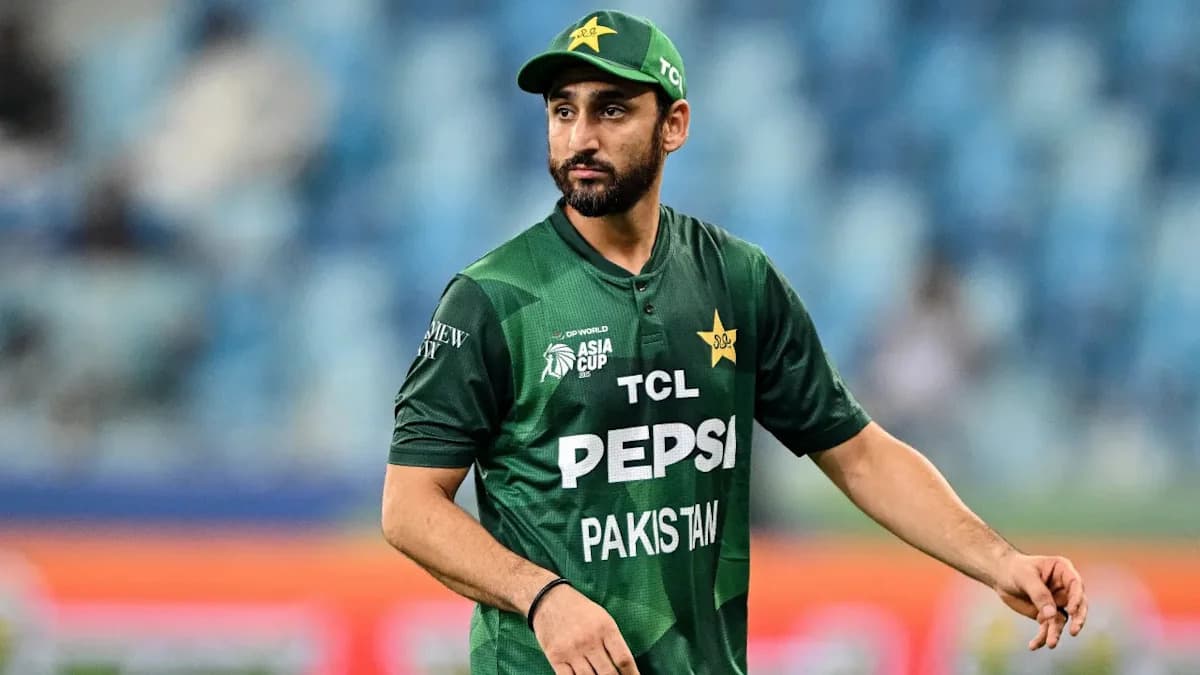
Windhoek braces for a different kind of African summit over the next nine days. Not in a conference hall, but on a strip of grass at the Namibia Cricket Ground, where three nations arrive with very different agendas and one shared opportunity.
From August 28 to September 6, Namibia, South Africa and Zimbabwe will scrap through a seven-match T20I tri-series that might look routine on paper. It isn’t.
A tri-series with something to prove
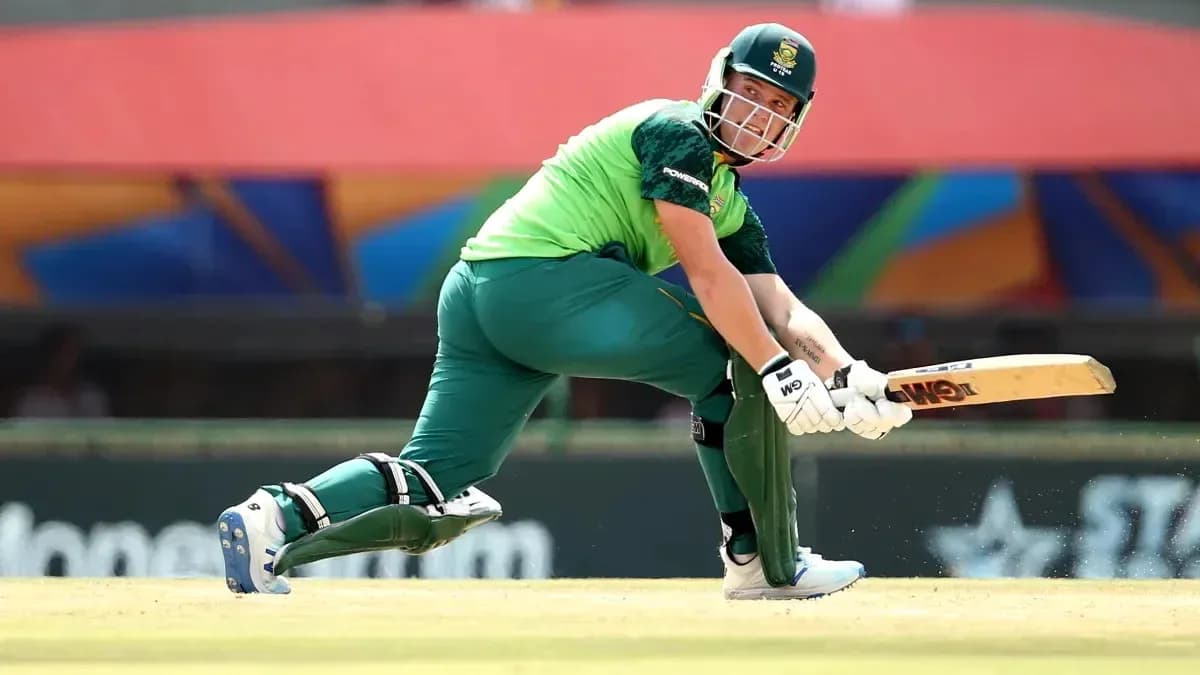
South Africa come in as the heavyweight, ranked fifth in the world, but this is no full-strength Proteas outfit. They have sent a second-string squad, a touring party built around tomorrow rather than today. Left-arm spinner Björn Fortuin leads a group that reads like a scouting report for the next IPL auction: Dewald Brevis, Kwena Maphaka, Lhuan-dre Pretorius and a cluster of emerging names who see this as a stage, not a stopover.
Zimbabwe, ranked 12th, have a longer horizon in mind. They are tuning up for a far bigger prize: co-hosting the ICC ODI World Cup in 2027. Every over here is part of a wider rehearsal, a chance to harden combinations and test depth under proper pressure, not in the nets.
Then there is Namibia, ranked 17th but walking into their own ground with something more valuable than reputation: evidence. They beat South Africa in their only previous T20I meeting, by six wickets, and they know that result still lingers in the minds of both sides.
Captain Gerhard Erasmus has been clear about what this series represents. He sees a landscape where the old divide between full members and associates no longer feels like a chasm, at least in T20 cricket. In this format, he argues, the badge on the shirt counts for less than the form of two players on the day. Two star performances, one upset. The equation is that simple.
And Windhoek, with its single venue and familiar conditions for the hosts, is a perfect place to test that theory.
One venue, one timeslot, seven tests
Every match in this tri-series starts at 2:00 PM local time in Windhoek. Same ground. Same slot. Same sun beating down.
The format is stripped back and unforgiving. Each team plays the other twice in the league phase, six games in total. Then the top two on the table meet in the final, the seventh and last T20I of the tournament. No dead rubbers, no distractions. Just a tight schedule where momentum can swing across an afternoon and shape an entire campaign.
For South Africa’s youngsters, it is a chance to audition in national colours. For Zimbabwe, it is another step on the road to 2027. For Namibia, it is a rare home window to turn belief into a habit.
The cricket will be local. The audience, far from it.
How to watch around the world
The tri-series might be rooted in Windhoek, but the broadcast map stretches across continents.
In India, there is no television broadcast, but every ball streams live on FanCode, via app and website. For a country that devours T20 cricket, it’s a digital-only route into a series that could reveal the next wave of IPL hopefuls.
Back in South Africa, fans can follow the action on SuperSport, which holds rights across Sub-Saharan Africa. The SuperSport app carries the streaming feed, giving Proteas supporters a close look at the second-string side tasked with keeping standards high.
Namibian fans don’t have far to look. One Africa TV will show the matches, carried via DStv and GOtv feeds, with an online portal available for those who prefer to stream. For a growing cricket nation, that kind of visibility at home matters almost as much as the results.
In Zimbabwe, coverage is split but comprehensive. ZBC TV will broadcast the games, supported by One Africa TV through DStv Channel 284 and GOtv Channel 24. Those leaning towards digital can use ZBC’s online platforms or the One Africa streaming portal.
Viewers in the UK won’t find the series on traditional television or domestic streaming platforms. Instead, they can watch live through ICC.tv, the governing body’s own digital service.
In the USA and Canada, Willow TV carries the series on television and via its app, with ICC.tv again offering an alternative streaming route.
The pattern repeats in the UAE and across the MENA region, as well as in Australia: no local broadcasters, but full coverage available through ICC.tv. For neutrals, it’s a chance to drop into a compact tournament where stories can change in a single spell.
Stakes beyond the rankings
Strip away the rankings and reputations, and this tri-series becomes something sharper. South Africa test their depth. Zimbabwe sharpen their plans for a home World Cup cycle. Namibia try to prove that their win over the Proteas was not a one-off, but a sign of where the game is heading.
Seven T20Is. One ground. Three teams with very different futures to shape.
By the time the final ball is bowled on September 6, we’ll know which of them used Windhoek as a launchpad—and which treated it as just another stop on the schedule.